


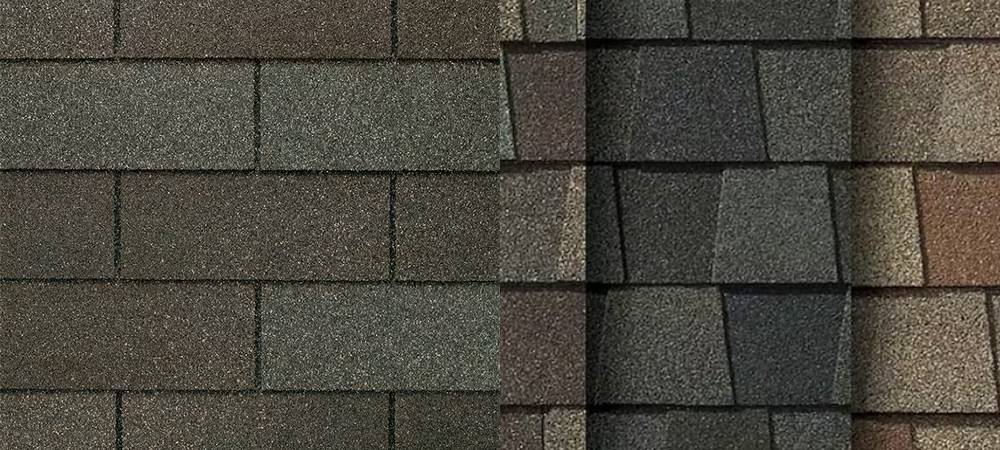
In the Midwest, wind is not an occasional concern but a recurring test for every asphalt shingle roof. From lake-driven gusts along the North Shore to open prairie exposure in southeastern Wisconsin, roofing materials face repeated stress events each year. Homeowners deciding between 3-tab shingles and architectural shingles are often comparing short-term cost against long-term performance.
This comparison matters most in regions like Chicagoland and Metro Milwaukee, where wind damage claims and missing shingles are common after seasonal storms.
Key Takeaways
- Architectural shingles consistently outperform 3-tab shingles in Midwest wind conditions due to their multi-layer construction and higher wind resistance ratings.
- Repeated service calls after storms in Illinois and Wisconsin frequently involve older 3-tab roofs with missing or lifted shingles.
- While the initial cost of architectural shingles is higher, the extended lifespan and reduced storm damage often offset that difference.
- For many homeowners, upgrading during a roof replacement improves durability, curb appeal, and long-term protection in harsh weather conditions.
How Architectural Shingles Outperform 3-Tab Shingles in Midwest Winds
From long-term field observations and post-storm inspections across the Midwest, several performance differences consistently explain why architectural shingles hold up better than 3-tab shingles in high-wind conditions.
Multi Layer Construction Handles Gust Cycles Better
Architectural shingles are built with a thicker, dimensional profile that resists the repeated uplift and suction forces common during Midwest wind events.
In areas like Wilmette and Lake Forest, we often see windstorms that do not tear roofs off but instead fatigue materials over time. The layered design of dimensional shingles distributes pressure across the roof deck more evenly, reducing the likelihood of creased, cracked, or missing shingles after each storm cycle.
Higher Wind Ratings Reduce Storm-Related Failures
Most architectural shingles carry higher wind resistance ratings than traditional 3-tab shingles when installed using proper installation techniques. After severe weather in places like Glenview or Mequon, inspection reports frequently show that 3-tab shingles fail at the adhesive strip, while architectural shingles remain intact.
These higher wind ratings translate into fewer emergency repairs and less exposure to further damage during follow-up storms.
Heavier Weight Improves Roof Stability
The added weight of architectural shingles provides a stability advantage on Midwest roof structures, especially on homes with broad roof planes or limited wind breaks. In open neighborhoods around Menomonee Falls, lighter 3-tab shingles are more susceptible to fluttering and edge lift.
Heavier premium roofing material stays seated against the roof deck, reducing movement that can compromise fasteners and lead to leaks.
Adhesive Sealing Performs Better in Temperature Swings
Extreme temperature fluctuations are a defining feature of Midwest weather, and they directly affect how shingles seal. Architectural shingles are designed to bond more reliably during short warm periods between cold snaps, which is critical in early spring and late fall.
In contrast, 3-tab shingles often fail to reseal properly after wind events, a pattern we see repeatedly during seasonal roof inspections across Chicagoland.
What to Consider Before Upgrading Roof Shingles in Chicagoland
Before deciding to upgrade from 3-tab shingles to architectural shingles, Midwest homeowners should evaluate several practical factors that directly affect how well the new roof will perform in real-world wind and weather conditions.
Roof Deck Condition and Structural Support
Before upgrading from 3-tab shingles to architectural shingles, the roof deck must be evaluated for strength and integrity. Older homes in Highland Park or Whitefish Bay sometimes have decking that has endured decades of moisture and nail fatigue.
Ensuring proper structural support allows the heavier dimensional shingles to perform as intended without introducing long-term issues.
Attic Ventilation and Moisture Control
Proper attic ventilation plays a major role in how any asphalt shingle roof performs in the Midwest. Inadequate airflow contributes to ice dams, algae growth, and premature aging, regardless of material quality.
When upgrading roofing systems, homeowners should address ventilation improvements to protect their investment and reduce cooling costs during hot summers.
Roof Installation Quality Over Material Alone
Even premium materials underperform when proper roof installation standards are not followed. Wind damage investigations after storms in Evanston or Shorewood often trace failures back to nailing patterns, alignment, or improper sealing zones.
Choosing experienced roofing professionals ensures architectural shingles achieve their full wind resistance and extended lifespan.
Long-Term Cost Versus Initial Price
While 3-tab shingles remain an accessible price point, their shorter lifespan and higher maintenance needs often result in greater total material costs over time.
Homeowners in Wisconsin’s challenging climate frequently replace 3-tab roofs sooner due to repeated wind damage. Architectural shingles represent a higher upfront cost but deliver superior durability and fewer disruptions over the life of the roof.
Get a Free Roof Evaluation for Midwest Wind Conditions
If you are planning a roof replacement or evaluating storm damage, our professional assessment at Custom Installations can determine whether architectural shingles are the right roofing material for your home. A consultation focused on wind exposure, roof structure, and long-term performance helps homeowners in Illinois and Wisconsin make informed decisions.
Request a free estimate to review your roofing options with a contractor experienced in Midwest conditions.
Frequently Asked Questions
How do architectural shingles compare to other roofing materials like metal or slate in terms of wind?
Architectural shingles provide strong wind resistance for asphalt roofing systems, though metal roofing and slate roofing can outperform them in extreme conditions. However, metal roofs excel at wind performance with higher material costs, while slate tile roofing requires specialized installation and structural reinforcement.
Are 3-tab shingles still a viable option in the Midwest?
3-tab shingles are still used, but they are more vulnerable to wind damage and require more frequent roof maintenance. In areas with occasional severe storms, they often lead to missing shingles and timely repairs. Many homeowners choose to upgrade during their next roofing project to reduce future risk.
Does upgrading asphalt shingles improve home value and curb appeal?
Architectural shingles enhance a home’s curb appeal with a more textured, uniform appearance compared to flat 3-tab designs. In competitive housing markets like North Shore communities, this upgrade can support resale value while signaling improved roof durability.
Will architectural shingles help with energy efficiency?
While shingles alone do not determine energy efficiency, architectural shingles combined with proper ventilation can help manage solar heat and attic temperatures. This can reduce cooling costs during summer months and improve overall roof system performance.