

Homeowners in Mundelein and across Chicagoland, IL, often focus on roofing materials while overlooking attic ventilation, even though proper attic ventilation plays a critical role in roof performance, energy efficiency, and long-term structural integrity. From managing attic temperatures during summer heat to preventing ice dams during the winter months, a properly ventilated attic supports the entire roofing system.
As an experienced exterior contractor serving Chicagoland, IL, we see firsthand how poor attic ventilation leads to moisture buildup, uneven roof temperatures, and premature roof damage. Understanding how ventilation works inside the attic space helps homeowners protect their investment and avoid costly repairs.
Key Takeaways
- Attic ventilation for roof performance in Mundelein helps regulate heat buildup and moisture throughout the year.
- Proper airflow reduces the risk of mold growth, roof deck deterioration, and ice-dam formation.
- Balanced intake vents and exhaust vents are essential for maintaining a continuous flow of fresh air.
- Adequate ventilation supports lower energy bills and improved indoor air quality.
- Poor attic ventilation often shortens the lifespan of roof shingles and other roofing materials.
How Attic Ventilation Protects Mundelein Roofs Year-Round
Seasonal temperature swings in Chicagoland, IL, place constant stress on roofing systems. Attic ventilation helps stabilize conditions inside the attic space throughout the year and is often evaluated as part of a professional roof inspection when homeowners are assessing overall roof health.
Managing Heat Buildup During Chicagoland Summers
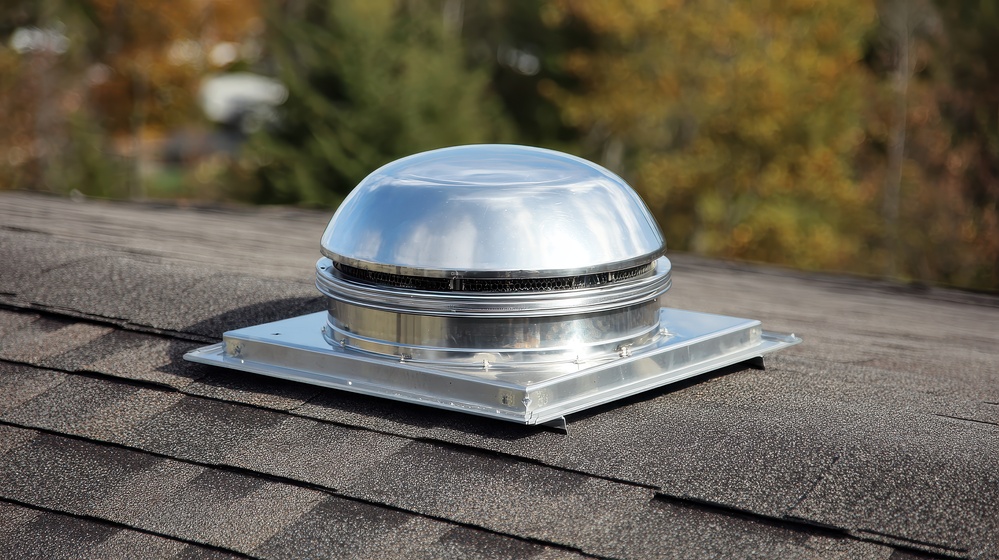
In warmer months, excessive heat collects in the attic space and places stress on the roof deck and roofing materials. Proper attic ventilation allows hot air to escape through ridge vents, roof vents, or attic fans, while cooler air enters through soffit vents and intake vents.
From our perspective as a roofing contractor, preventing trapped heat is one of the most effective ways to protect roof shingles and support long-term performance following a quality roof installation.
Controlling Moisture Buildup and Attic Moisture
Moisture buildup inside the attic often comes from everyday living-space activities such as cooking, bathing, and laundry. Without proper ventilation, warm air carrying moisture rises and condenses on cold surfaces like roof sheathing and interior walls.
Addressing ventilation early can reduce the likelihood of moisture-related issues that later require targeted roof repair to correct hidden damage.
Preventing Ice Dams and Uneven Roof Temperatures
During the winter months, poor attic ventilation causes uneven roof temperatures that allow snow to melt and refreeze along the roof edge. This process explains how ice dams form, eventually forcing water beneath the roof shingles.
Maintaining proper airflow helps prevent ice dams and complements ongoing roof maintenance efforts designed to extend roof lifespan.
Key Ventilation Priorities for Chicagoland Homes
Every home has different ventilation demands based on roof design, insulation levels, and attic layout. These priorities guide long-term roof performance across communities throughout Chicagoland, IL, and nearby service areas listed on our service locations page.
Balance Intake and Exhaust Vent Area
Adequate ventilation depends on the correct balance between intake vents and exhaust vents, measured by vent area in square inches or one square foot per specific attic size.
From a contractor standpoint, many ventilation issues stem from having ridge vents without enough soffit vents, which disrupt proper airflow. A balanced system ensures a continuous flow of cool air entering and hot air escaping at the roof peak.
Integrate Ventilation With Attic Insulation and Air Sealing
Proper attic ventilation works best when paired with attic insulation and efforts to seal air leaks around the attic floor and interior walls.
When insulation is installed correctly and vapor barriers are in place, the ventilation system can manage excess moisture and heat buildup more efficiently. This approach improves energy efficiency, reduces heating costs, and supports an energy-efficient home.
Choose Between Natural and Mechanical Ventilation Systems
Some homes benefit from natural ventilation using ridge vents, gable vents, and soffit vents, while others require mechanical ventilation, such as attic fans, to address ventilation problems.
From our experience, the right solution depends on roof design, attic size, and existing ventilation issues. Selecting the correct system protects structural integrity, supports proper airflow, and helps homeowners avoid higher energy consumption.
Ready to Improve Your Attic Ventilation
Attic ventilation is a core component of roof protection and energy performance. It directly affects roof longevity, comfort, and moisture control. With over 50 years of experience, Custom Installations helps Chicagoland, IL, homeowners identify ventilation issues before they turn into costly repairs.
To schedule a professional evaluation, contact us and speak with a qualified exterior specialist.
Frequently Asked Questions
How do I know if my attic has poor ventilation?
Signs of poor attic ventilation include high energy bills, uneven roof temperatures, visible mold and mildew, moisture buildup on roof sheathing, and ice dams during the winter months. A professional inspection can confirm whether your attic is ventilated properly.
Can attic ventilation really lower energy bills?
Yes, proper attic ventilation reduces heat buildup in summer and helps maintain consistent temperatures in winter. This lowers the workload on heating and cooling systems, leading to lower energy bills and improved energy efficiency.
What types of roof vents are best for Chicagoland homes?
Common options include ridge vents, soffit vents, gable vents, and attic fans. The best choice depends on roof design, attic space, and existing ventilation system conditions. Balanced intake and exhaust is always the priority.
Should attic ventilation be addressed during a roof replacement?
Absolutely. Shingle manufacturers and professional contractors recommend correcting ventilation issues during roof replacement. This ensures the new roofing materials perform as intended and reduces the risk of costly repairs later.