


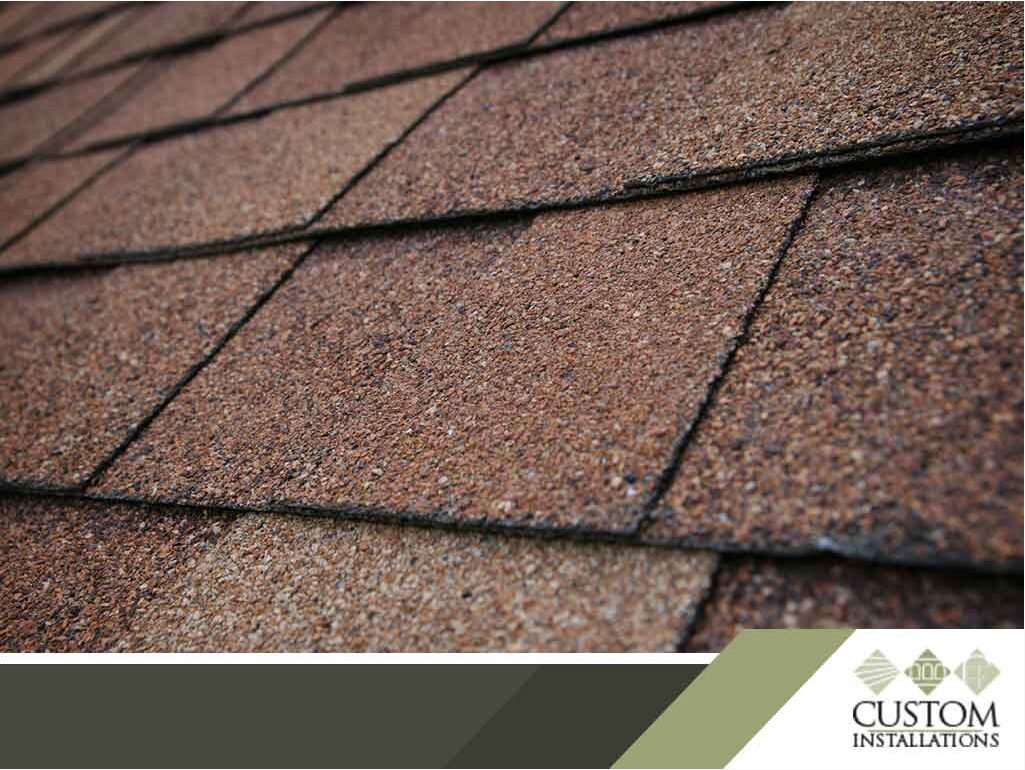
Roof granule loss is one of the most common early warning signs homeowners in Chicagoland and Metro Milwaukee notice on asphalt shingles. Granules play a critical role in protecting the asphalt layer from UV rays, moisture intrusion, and physical wear caused by severe weather. When shingles lose granules, the roofing system becomes more vulnerable to premature aging, reduced energy efficiency, and costly repairs if left unaddressed.
Understanding why granule loss happens and how to evaluate its severity helps homeowners make informed decisions about their roof’s condition before structural damage occurs.
Key Takeaways
- Granule loss is a natural aging process for asphalt shingles, but excessive loss can signal premature damage or installation issues.
- Chicagoland weather, including freeze-thaw cycles, heavy rain, and severe storms, accelerates granule shedding on aging roofs.
- Minor granule loss may only require monitoring, while significant granule loss often points toward roof replacement needs.
- Granules protect the roof surface from UV exposure, moisture penetration, and reduced fire resistance.
- A professional roofing contractor can accurately assess how much granule loss is normal versus problematic.
What Granule Loss Means For Chicagoland And Metro Milwaukee Roofs
Granule loss directly affects how an asphalt roofing system performs in Midwest weather conditions. Climate stress and material aging both contribute to long-term wear, which is why routine roof inspections play an important role in identifying early warning signs.
How Granules Protect The Roof Surface
Shingle granules act as a protective layer that shields the underlying asphalt from constant exposure to UV rays, temperature fluctuations, and physical wear. When granules loosen or dislodge, the asphalt layer becomes exposed, increasing the risk of premature aging and reducing the roof’s overall weather resistance in Chicagoland’s variable climate.
Why Granule Shedding Happens Over Time
Granule shedding is part of the natural aging process of asphalt shingles, especially on an aging roof that has endured decades of severe weather events.
Over time, UV protection diminishes, adhesive bonds weaken, and loose granules accumulate in gutters or at downspouts, even when the roofing system was installed correctly or completed through a professional roof installation.
When Granule Loss Becomes A Warning Sign
Excessive granule loss goes beyond normal wear and often appears as bald spots, bare patches, or discolored areas on the shingle surface. These conditions may require targeted roof repair when damage is localized, or more comprehensive solutions if deterioration is widespread.
How Midwest Weather Accelerates Premature Damage
Chicagoland and Metro Milwaukee roofs face freeze-thaw cycles, heavy rain, hail, and high winds that can loosen granules faster than in milder regions. Severe weather repeatedly stresses the roof surface, increasing the likelihood of premature granule loss and shortening the roof’s lifespan, sometimes leading homeowners to consider a full roof replacement to restore long-term performance.
How Homeowners Can Assess Severity And Plan Next Steps
Evaluating granule loss early helps homeowners avoid further damage and unnecessary expense. This is especially relevant for properties in communities such as Brookfield and Delafield, Wisconsin, where seasonal weather patterns can accelerate roof wear.
Check For Visible Signs Around The Home
Granules accumulating in gutters, downspouts, or at the base of the home are often the first visible signs homeowners notice. While minor granule loss is expected, large amounts of loose granules combined with bare spots on shingles suggest the roof’s condition may be deteriorating faster than normal.
Understand Minor Versus Significant Granule Loss
Minor granule loss typically appears evenly across the roof and does not immediately compromise the roofing system. Significant granule loss, however, exposes the underlying asphalt and reduces UV protection, increasing the risk of moisture intrusion, algae growth, and reduced energy efficiency.
Know When Repairs Are No Longer Enough
In some cases, replacing individual shingles or completing minor repairs can address localized damage. When excessive loss is widespread across the roof surface, a full roof replacement is often the most reliable solution to restore the roof’s integrity and long-term performance.
Schedule A Professional Roof Evaluation
A professional roofing contractor can determine how much granule loss is normal for your roof’s age and whether premature damage is present. Regular inspections help homeowners plan maintenance proactively, trim overhanging branches, keep gutters clean, and avoid costly repairs caused by delayed action.
Ready To Protect Your Roof
Professional guidance helps prevent further damage and unnecessary expense. Early evaluation supports better outcomes.
If you are seeing signs of granule loss or have concerns about your asphalt roof, a professional evaluation can provide clarity and peace of mind. Custom Installations has delivered quality craftsmanship for over 50 years, helping homeowners protect their roofing systems against Midwest weather. Take the next step and contact the team to schedule a consultation with a trusted roofing contractor.
Frequently Asked Questions
How much granule loss is considered normal?
Some granule loss is expected as part of the manufacturing process and natural wear during the first year of a new roof. Ongoing minor granule loss over time is normal, but sudden or excessive loss accompanied by bald spots should be evaluated by a professional.
Can granule loss lead to leaks?
Yes, significant granule loss exposes the asphalt layer beneath the shingles, making it more susceptible to moisture penetration. Over time, this can lead to leaks, structural damage, and reduced weather resistance if not addressed promptly.
Does granule loss mean I need a full roof replacement?
Not always. Localized or minor granule loss may only require monitoring or small repairs. When granule loss is widespread and combined with other signs of an aging roof, a full roof replacement may be the most effective long-term solution.
How often should roofs in Chicagoland be inspected?
Homeowners in Chicagoland and Metro Milwaukee should schedule regular inspections, especially after severe weather events. Routine evaluations help identify premature granule loss early and support informed decisions about maintenance or replacement.