

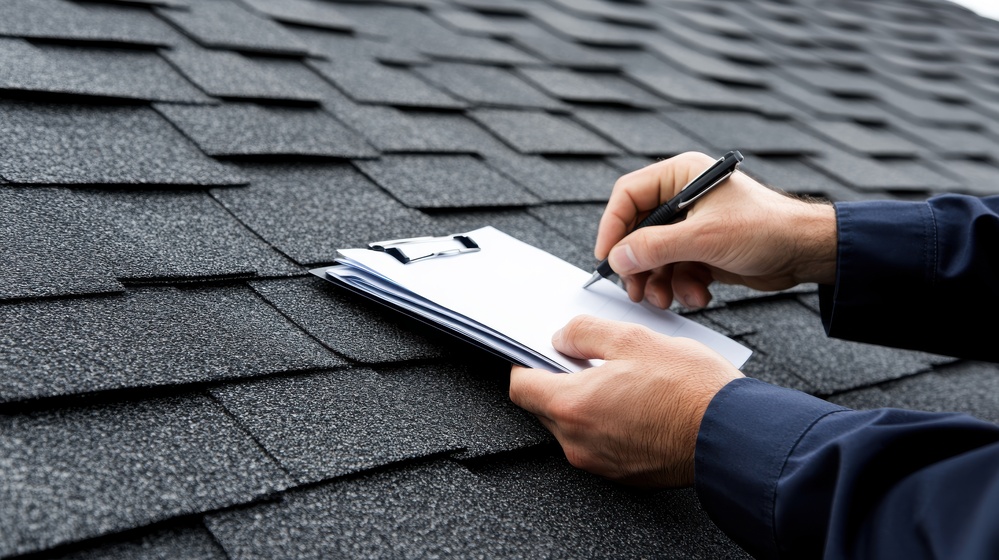
A professional roof inspection report clearly documents the condition of every major component across your roofing system. It gives homeowners in Chicagoland and Metro Milwaukee a factual foundation for deciding which roofing service makes the most sense.
Spring is the most practical time to schedule a roof inspection in the Chicago area after months of winter exposure. Ice damming, freeze-thaw cycles, and heavy snow loads often leave behind damage that is not visible from the ground. A thorough inspection brings these issues to the surface before they develop into larger, more expensive problems.
Key Takeaways
- A residential roof inspection report documents shingle condition, flashing integrity, decking health, ventilation, and drainage to reveal the true state of your roof.
- Chicagoland freeze-thaw cycles and hail events accelerate shingle wear, making annual roof inspections a practical part of roof maintenance for local homeowners.
- The findings in a roof inspection report directly inform whether roof repair, shingle adjustment, or full roof replacement is the most cost-effective path forward.
- A detailed roof inspection report also serves as supporting documentation when filing an insurance claim for storm-related roof damage.
Key Findings in Roof Inspection Reports Across Chicagoland Homes
A professional roof inspection report should clearly reveal your roof’s condition, not simply list the areas an inspector reviewed. Homeowners in Lake Forest and Wilmette, along with the rest of Chicagoland, often see findings tied to material wear and seasonal weather stress. These findings help you decide whether your roof still has usable life remaining or if more significant corrective work is necessary.
Below are three of the most common key findings that carry the most weight in a residential roof inspection report.
Shingle Wear and Surface Deterioration
One of the clearest findings in a roof inspection report is visible shingle deterioration across the entire roof surface. Look for notes about granule loss, curling edges, cracking, blistering, and missing shingles, since these conditions reduce weather resistance. When these issues appear across large sections, the report usually indicates age-related failure rather than a localised or isolated concern.
Use this finding to move beyond short-term fixes and begin planning for more substantial corrective work. If the report shows widespread wear on an older roof, schedule a professional replacement evaluation before leaks or structural damage develop.
Failed Flashing and Active Leak Risk
Another major finding from roof inspections involves failed flashing around chimneys, skylights, valleys, pipe penetrations, and roof-to-wall transition points. Water typically enters through these vulnerable connections rather than intact shingle fields, especially in older North Shore homes with ageing materials. When a report documents separated, corroded, or deteriorated flashing, it is identifying a high-risk pathway for water intrusion.
Treat this finding as an immediate priority to prevent moisture from spreading into ceilings, walls, or insulation and avoid more extensive interior damage.
Moisture Damage, Poor Ventilation, and Drainage Stress
Many inspection reports also reveal trapped moisture, inadequate ventilation, and improper drainage that shorten a roof’s lifespan from below the surface. Look for findings related to soft decking, attic heat buildup, condensation, clogged gutters, or poor water flow across the roof system.
In Chicagoland homes, these combined issues often explain why roofing systems age faster than expected, even when surfaces still appear acceptable.
Take this finding seriously, even without visible leaks, and correct ventilation and drainage issues early to protect structural components and extend roof lifespan.
How to Use Inspection Results for Repair or Replacement Decisions
A roof inspection report only matters if it leads to clear, confident decisions about your next steps. Once you review the findings, focus on what they mean for your home, timeline, and overall investment. Homeowners in Chicagoland and Metro Milwaukee should use these insights to move forward with clarity instead of hesitation.
The three sections below show how to turn inspection results into practical decisions you can act on right away.
Decide Between Targeted Repair or Full Roof Replacement
Start by reviewing the scope and distribution of damage documented in your inspection report. Isolated flashing issues, minor shingle displacement, or small damaged sections often support targeted repair as a cost-effective solution. Widespread deterioration across more than 25 to 30 per cent of the roof typically signals that replacement is the more practical long-term option.
Use this threshold to guide your decision and avoid short-term fixes that will not last, then schedule a professional evaluation if damage appears.
Use Your Report to Strengthen an Insurance Claim
After a storm, your inspection report becomes a critical piece of documentation for any insurance claim you plan to file. It creates a timestamped record that separates pre-existing wear from damage caused by hail or high winds. Detailed reports with photos, condition ratings, and affected components provide the level of proof insurers expect during claim review.
Submit your inspection report alongside a contractor estimate to present a complete and credible case. Doing this early reduces delays and limits back-and-forth with your insurance provider.
Build a Maintenance Plan Based on Actual Roof Condition
Not every inspection report points to immediate repair or replacement, especially if the roof remains structurally sound with only minor wear. In these cases, the findings help you shift toward a proactive approach to roof maintenance rather than reactive repairs. Small issues like exposed fasteners, debris buildup, or minor shingle movement can be addressed before they develop into larger problems.
Turn these findings into a simple maintenance plan and schedule your next inspection within the next 12 months. Staying ahead of small issues helps extend roof life and avoids unexpected repair costs.
Turn Roof Inspection Insights Into Long-Term Protection Across Chicagoland
Custom Installations has been serving homeowners across Chicagoland and Metro Milwaukee with expert roofing services from inspection to installation for over 50 years. Understanding what your roof inspection report reveals is only the first step, and acting on those findings with a qualified contractor is what protects your home long term.
Homeowners can see the quality of our work and the results we deliver across a range of completed projects and verified client experiences.
If your roof has come through another Illinois or Wisconsin winter without an inspection, now is the time to act. Contact us to request a free estimate and get clear, professional insight into your roof’s condition with no confusion or unnecessary delays.
Frequently Asked Questions
What should be included in a roof inspection report?
A complete roof inspection report covers shingle condition, flashing integrity, decking health, attic ventilation, and drainage. It should include photographs, written findings for each component, and clear recommendations for roof repair, roof maintenance, or roof replacement.
How much does a roof inspection cost in the US?
A roof inspection costs $100 to $400 on average, depending on roof size, complexity, and whether it is a physical, infrared, or drone inspection. Many roofing contractors offer inspections as part of the estimate process.
What are red flags during a roof inspection?
Common red flags include widespread granule loss, failed or missing flashing, soft spots in the roof decking, poor attic ventilation, and active signs of water intrusion. Multiple red flags appearing together typically indicate that roof replacement is a more practical solution than repair.
What is the 25% rule in roofing?
The 25% rule suggests that when damage affects more than a quarter of your roof, replacement often becomes more cost-effective than continued repair. A detailed roof inspection report provides the documentation needed to evaluate this threshold accurately.