
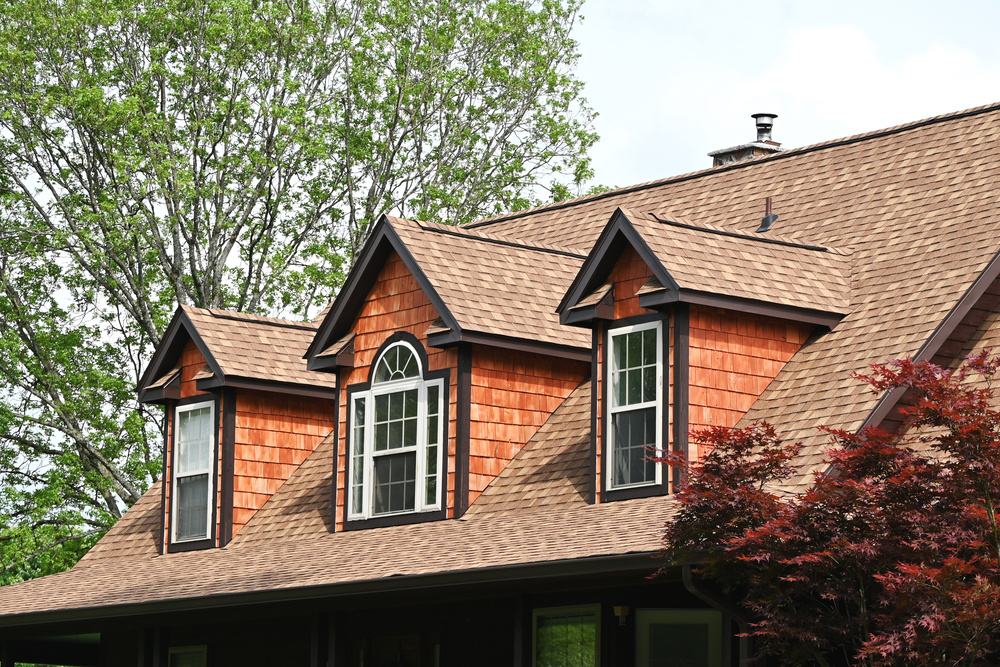
Cedar shake roofs have long been admired for their natural beauty, durability, and historic appeal—especially in the North Shore and Metro Milwaukee areas. But across Illinois and Wisconsin, insurance providers are quickly re-evaluating how they handle homes with cedar.
At Custom Installations, we work closely with homeowners navigating these changes—from sudden cancellations to unexpected premium spikes.
To understand what’s driving this shift, it’s important to look at how insurers now view cedar in our region.
Key Takeaways
- Many Illinois and Wisconsin insurers are dropping cedar roofs because of cost, moisture, hail damage, and fire risks.
- Homeowners are seeing canceled policies, rising premiums, denied claims, and trouble selling homes with wood shake roofs.
- Switching to synthetic shakes or Class IV shingles helps keep your home’s look while avoiding insurance coverage problems.
- Taking action early with roof assessments, maintenance records, and expert help can protect your coverage and peace of mind.
Why Insurance Companies Are Pulling Back from Cedar Roofs in the Chicagoland and Milwaukee Areas
At Custom Installations, we’ve seen first how insurers are shifting away from cedar roofs across the North Shore and Metro Milwaukee.
Here’s what we know is driving this change:
Rising Replacement Costs in High-End Neighborhoods
In suburbs like Lake Forest and Kenilworth, the cost to replace a cedar shake roof and complete a new roof installation reflecting its rustic charm is significantly higher than average. Insurance companies are increasingly backing away from these properties due to the high payout risk—even if the roof has been carefully maintained.
For them, the issue isn’t storm or weather damage. It’s financial exposure, and that creates concrete insurance headaches for homeowners.
Fire Risk Amplified by Local Tree Canopies
Areas like Glencoe and Riverwoods are known for mature trees that surround wood shake homes, which enhances their rustic charm but also increases the fire hazard, especially when dry leaves or summer wildfires become a real threat.
Insurers view these wood shake roofs as a combustible liability, contributing to a broader shift away from natural materials.
Moisture Retention in Seasonal Climates
The freeze-thaw cycles in Chicagoland and southeastern Wisconsin promote moisture retention in cedar, leading to structural rot, moisture damage, mold, and pest infestations—all factors that insurers label as vulnerable long-term risk.
Even well-treated roofs in places like Glenview are being flagged due to the potential for hidden damage.
Hail Damage Exposure in Lake Effect Zones
Along Lake Michigan—from Wilmette to Whitefish Bay—homeowners frequently experience hailstorms. While cedar offers natural durability, insurers claim shake roofs are easily damaged by hail, even when the shingles appear intact.
For them, the possibility of warping or breakage is a risk too high to ignore, especially amid extreme weather.
Industry Shift Away from Natural Materials
Across Illinois and Wisconsin, there’s an ongoing industry shift toward synthetic roofing materials that are considered more sustainable and insurer-friendly. Cedar—despite its timeless appeal—is increasingly seen as outdated.
Insurance providers now favor products that are designed to resist fire, hail, and rot, putting traditional cedar choices at a disadvantage.
How This Shift in Insurance Affects You as a Homeowner
When insurance companies shift their stance on cedar roofs, the impact on homeowners is immediate and far-reaching. Here’s how that shift is playing out across the Chicagoland and Milwaukee regions—and what to watch for before your coverage is affected:
Cancellation Notices on Short Timelines
Homeowners in Hinsdale and Highland Park have received policy non-renewal letters and cancellation notices with deadlines as short as 30-60 days to replace the roof—or lose coverage entirely. Deferring action isn’t an option. The clock starts ticking as soon as insurers review your materials, and time is no friend here.
What to watch for: Any mail directing you to file a compliance report, stating your roof means non-compliance, or referencing a change in policies.
Premium Spikes That Render Coverage Pointless
Some insurance policies now set deductibles equal to 5% of home value. In Barrington Hills, that’s soared above $40,000—difficult for any homeowner to justify. This effectively strips you of real protection, turning coverage into a theoretical benefit.
What to watch for: Annual premiums surging or fine print that appears to avoid payout through overwhelming out-of-pocket costs.
Denied Claims and Reduced Settlement Values
In Lake Bluff and Oconomowoc, insurance claims have been denied or severely reduced because the roof is cedar—even when the damage is obvious. This leaves you covering roof repair costs out of pocket; your once-trusted insurance now falls short.
What to watch for: Adjuster notes referencing cedar-specific material, age disclaimers, or referencing structural rot as a reason to limit settlement.
Difficulty Selling Homes with Cedar Roofs
Real estate transactions in Winnetka and Delafield have been derailed due to home insurance refusals—often before the buyer moves forward. It’s a major barrier; a cedar shake look may attract buyers, but learning that they can’t insure the property usually ends the deal.
What to watch for: Buyer agents asking early on if the roof is cedar; any mention of out-of-state clients or those completing strict California financing or relocation who refuse properties they view as vulnerable.
What to Consider When Replacing Your Cedar Roof
If roof replacement is on the horizon, selecting the right solution is critical—not just for performance, but for policy approval. These are the key factors Illinois and Wisconsin homeowners should weigh when considering a switch from cedar:
Insurance Compatibility of Alternative Materials
When selecting a new roof in areas like Elm Grove, you want materials that insurance companies will embrace—products like DaVinci and Brava synthetic shakes meet that need. They protect your home while avoiding the headaches caused by cedar roofs.
Aesthetic Integrity for Historic and Custom Homes
In Lake Forest and Mequon, architectural design matters. Homeowners love their cedar’s rustic charm and want to protect that aesthetic. Synthetic replacements can replace cedar visually while maintaining insurance compatibility.
Durability in Midwest Weather Conditions
Given Milwaukee’s and suburban Chicago’s extreme weather, material durability is vital. Class IV asphalt shingles from GAF and CertainTeed resist hail and maintain performance over the years—sustainable and insurer-approved.
Installation by Certified Professionals
At Custom Installations, we are a DaVinci Masterpiece Contractor, Brava Preferred Contractor, and a member of the Cedar Shake and Shingle Bureau—one of fewer than six in Illinois and three in Wisconsin.
We understand how to help you end your cedar insurance problems with confidence and craftsmanship.
What You Can Do if Your Cedar Roof Is No Longer Covered
If your insurer has raised concerns about your cedar roof, a timely and strategic response is essential. As experienced professionals serving Illinois and Wisconsin, here’s how we recommend moving forward:
Contact Your Insurance Agent Immediately
In Deerfield or Nashotah, don’t wait. Talk to your agent and put questions on the policy table. Ask what your coverage will look like if the cedar roof remains—or if they’re refusing to renew. Clarity now can mean better outcomes later.
Schedule a Professional Roof Assessment
We’re ready to inspect and help you understand your roof’s current risk profile—and your options—across the Chicagoland and Milwaukee suburbs.
Document Cedar Roof Maintenance and Upgrades
Be sure to file all roof-related maintenance records with both your insurer and contractor. This documentation can extend your coverage window or assist in policy negotiations.
In communities like Kildeer and Cedarburg, maintenance documentation has helped homeowners secure temporary insurance extensions—or win appeals.
Plan and Execute a Strategic Replacement
When a switch is necessary, our team at Custom Installations manages the process from permitting to completion—making the process less difficult so your transition is seamless and secure.
Your Solution Awaits—Bring Peace Back to Your Roofing Experience
You deserve peace of mind and a roof that reflects your home’s value—not a budget insurer’s liability. If cedar is putting your property at risk, you don’t have to compromise on appearance or performance.
At Custom Installations, we offer Class IV asphalt shingles from GAF and CertainTeed, as well as Brava and DaVinci synthetic shake roofing—solutions designed to protect your investment, preserve your home’s style, and satisfy your insurer’s requirements.
Call (847) 932‑4500 in Illinois or (414) 405‑1520 in Wisconsin to get started—because protecting your home shouldn’t come with compromise—and we’re here to help you do it right.
Frequently Asked Questions
How does cedar roof insurance coverage differ from synthetic roofing options?
Cedar roof insurance coverage often comes with exclusions and higher costs. Our installed synthetic solutions reduce risk, extend durability, and meet most insurance criteria without compromising your home’s appearance or value.
Can I upgrade my wood shake roof without changing the exterior design of my home?
Yes. We’ve installed synthetic alternatives that match the natural texture of wood shake roofs, with premium examples from Brava and DaVinci that preserve historic or custom design requirements while improving insurability.
What if my cedar shake roof is part of a log-style or rustic property?
We’ve replaced cedar shake on log homes in areas like Los Altos Hills. Our solutions maintain rustic curb appeal while reducing the risks insurers flag and improving long-term performance.
When should a new roof be installed if my insurer sends a coverage warning?
We help schedule replacements to meet insurance deadlines. Your new roof is installed quickly to prevent lapses in protection, meet code requirements, and avoid renewal issues with your provider.