

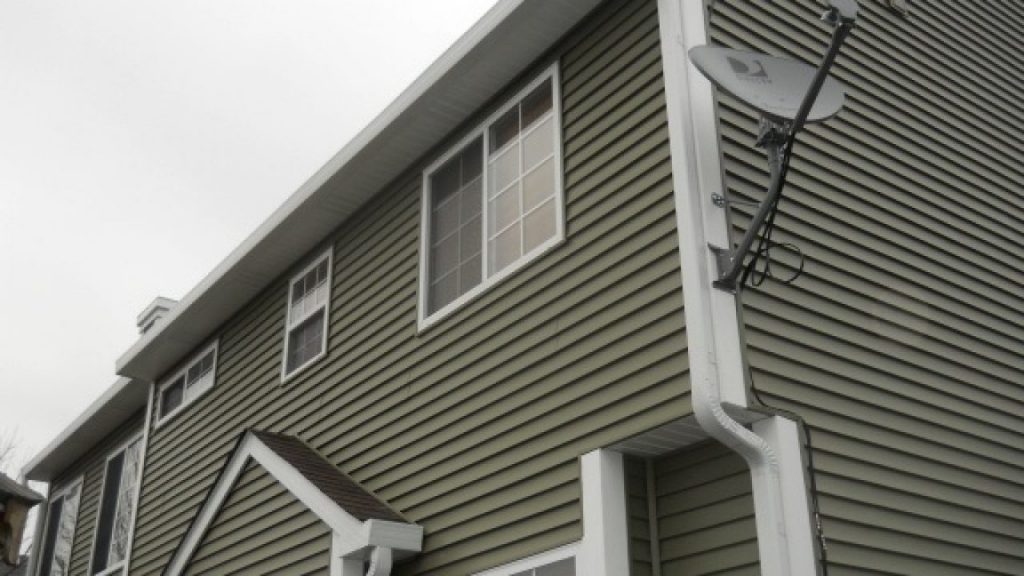
Your siding protects your home from moisture, wind, temperature swings, and everyday wear throughout the year. In the Chicagoland area, freezing winters, humid summers, and severe storms place constant stress on exterior materials, making long-term durability a priority for homeowners.
Understanding what affects siding lifespan helps you protect your investment, reduce unnecessary repairs, and keep your home’s exterior performing as intended for years.
Key Takeaways
- Proper installation helps prevent moisture intrusion that can significantly shorten siding lifespan.
- Routine maintenance catches small issues before they become costly exterior problems.
- Seasonal inspections help siding withstand Chicagoland’s changing weather conditions.
- Material performance depends on proper installation, routine care, and environmental exposure.
How Proper Installation and Care Extend Siding Lifespan
A quality siding product performs best when it is installed correctly and maintained consistently. Even durable materials can experience premature wear if critical installation details are overlooked. These installation and care practices play a major role in extending siding life throughout Chicagoland.
Prevent Water From Getting Behind the Siding
Moisture intrusion remains one of the leading causes of premature siding failure. Proper flashing, weather barriers, and carefully sealed transitions around windows, doors, and rooflines help prevent water from entering the wall system and causing hidden deterioration. Protecting these vulnerable areas keeps the exterior performing longer while reducing the likelihood of expensive structural damage.
Homeowners should look for staining, soft trim, or visible gaps after heavy rain because these warning signs often indicate moisture is reaching areas it should not.
Allow Different Siding Materials to Expand and Contract
Changing temperatures cause exterior materials to naturally expand during warmer months and contract during colder weather. Different types of siding, including fiber cement, vinyl, and cedar, require installation techniques that allow this movement without placing unnecessary stress on the panels. Proper fastening and spacing help prevent cracking, buckling, and separation that can reduce long-term performance.
Visible warping or loose panels may indicate movement restrictions that should be evaluated before additional damage develops.
Keep Seams, Trim, and Openings Properly Maintained
Small openings around trim, penetrations, and joints often become entry points for moisture, insects, and debris. Routine maintenance keeps these vulnerable areas sealed while preserving the overall performance of siding services completed on the home. Consistent upkeep helps prevent isolated issues from spreading across larger sections of the exterior.
Inspect sealant, trim boards, and visible joints each year to confirm they remain secure after seasonal weather changes.
Address Minor Damage Before It Requires Larger Repairs
Small cracks, loose panels, and impact damage rarely improve without attention. Prompt siding repair helps contain localized damage before moisture spreads behind surrounding materials and eventually creates the need for broader siding replacement. Correcting minor issues early also helps preserve the appearance and structural integrity of the entire exterior.
After storms or freeze and thaw cycles, inspect all visible elevations for loose sections, cracked panels, or damaged trim that may require professional attention.
Maintenance Priorities for Long Lasting Performance in Your Climate
Routine maintenance helps siding withstand Chicagoland’s changing weather and seasonal temperature swings. Small issues often become major repairs when they go unnoticed for extended periods. Prioritizing consistent upkeep allows siding to maintain its appearance and protective performance for many years.
Clean Siding to Prevent Long-Term Surface Damage
Dirt, pollen, algae, and mildew gradually collect on exterior surfaces and trap moisture against the siding. Most types of siding benefit from routine cleaning that removes contaminants before they affect protective finishes or encourage moisture-related deterioration. Keeping siding clean also makes it easier to spot developing problems during seasonal inspections.
Follow manufacturer cleaning recommendations and avoid abrasive tools or excessive pressure that may damage the siding surface.
Inspect the Exterior After Major Storms
Strong winds, hail, and flying debris can loosen siding panels or create small openings that are difficult to notice from a distance. Regular inspections after severe weather help identify damage early, allowing timely siding repair before moisture reaches the wall assembly or surrounding materials. Addressing storm damage promptly often prevents more extensive exterior work later.
Walk around the home after significant weather events and check for cracked panels, loose trim, dents, or missing fasteners.
Manage Water Drainage Around the Home
Water that repeatedly runs against exterior walls can shorten siding life regardless of the material installed. Proper drainage from gutters, downspouts, and landscaping helps protect siding services by limiting prolonged moisture exposure and reducing the likelihood of hidden water damage. Managing runoff also minimizes staining, mold growth, and unnecessary wear throughout the year.
Inspect gutters and downspouts regularly to confirm they direct water away from both the siding and the home’s foundation.
Schedule Periodic Professional Evaluations
Some siding problems develop slowly and remain hidden until visible deterioration appears on the exterior. Periodic evaluations help identify worn sealants, loose trim, aging components, or installation concerns before widespread replacement becomes necessary. This proactive approach often extends the service life of the siding while helping homeowners plan maintenance more effectively.
If your home features James Hardie products or other premium siding systems, following the manufacturer’s recommended inspection and maintenance schedule helps preserve long-term performance.
Protect Your Chicagoland Siding for Years of Lasting Performance
Since 1969, Custom Installations has provided premium exterior remodeling solutions backed by quality craftsmanship and trusted manufacturer partnerships. That commitment provides homeowners with dependable workmanship that protects their investment and supports lasting exterior performance through changing seasons.
Protecting your siding starts with making informed decisions before minor concerns become larger problems. If you’re evaluating the condition of your exterior or planning improvements, request a free estimate to better understand your options.
Contact our team today to discuss your project and receive professional guidance focused on long-term siding performance.
Frequently Asked Questions
How long does siding typically last in Chicagoland?
Siding lifespan depends on the material, installation quality, maintenance routine, and weather exposure. When properly installed and maintained, many siding products provide reliable protection for several decades despite Chicagoland’s seasonal temperature changes.
How often should siding be inspected?
Inspect your siding at least twice each year and after severe storms. Regular inspections help identify loose panels, cracks, damaged sealants, or moisture concerns before they become larger and more expensive problems.
Does regular cleaning make a difference?
Yes. Removing dirt, algae, mildew, and other surface contaminants helps preserve protective finishes and reduces moisture retention. Routine cleaning also makes developing damage easier to identify during seasonal maintenance inspections.
When should siding be repaired instead of replaced?
Minor cracks, isolated impact damage, or a few loose panels can often be repaired successfully. Replacement is generally considered when damage becomes widespread, moisture has affected the wall system, or the siding has reached the end of its expected service life.