

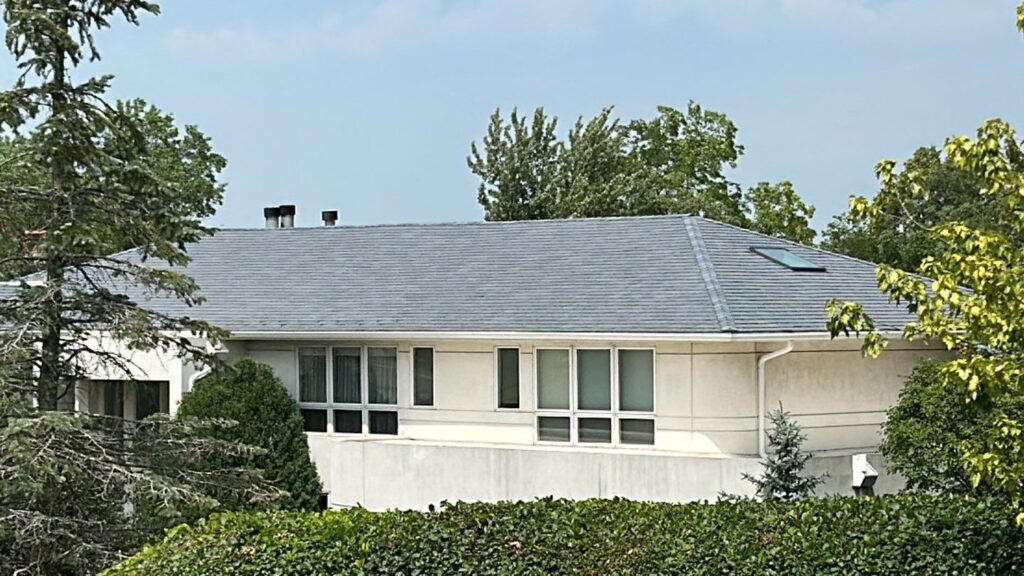
Roof lifespan depends on more than the material installed. Homes throughout Chicagoland and Metro Milwaukee face heavy snow, summer heat, strong winds, hail, and freeze-thaw cycles that gradually shorten roofing performance.
Understanding what affects roof longevity helps homeowners make informed decisions about upkeep, budgeting, and future replacement before small concerns develop into costly structural problems.
Key Takeaways
- Asphalt, cedar, slate, and tile roofs all have different expected lifespans under Midwest weather conditions.
- Regular inspections help identify small issues before they reduce the roof’s overall service life.
- Severe storms, poor ventilation, and aging materials often accelerate roof deterioration across the region.
- Planned maintenance and timely repairs help homeowners avoid premature roof replacement costs.
What Impacts Roof Longevity Across Chicagoland Homes
Every roofing system ages differently because environmental conditions and installation quality vary from one property to another. Midwest weather creates challenges that steadily affect roofing materials throughout every season. Understanding these factors helps homeowners recognize why some roofs outperform others despite being similar in age.
Midwest Weather Creates Year-Round Roofing Stress
Freeze-thaw cycles, hail, heavy snow, and strong winds gradually wear roofing materials throughout Chicagoland and Metro Milwaukee. Regular roof maintenance helps identify weather-related deterioration before seasonal exposure causes more extensive damage. These conditions have a lasting impact because repeated temperature changes steadily weaken roofing components over time.
Scheduling seasonal evaluations gives homeowners a better understanding of how local weather continues affecting overall roof performance.
Roofing Materials Age at Different Rates
Each roofing material has an expected lifespan based on its composition, installation quality, and exposure to the elements. Monitoring your shingles can address isolated wear without allowing nearby materials to deteriorate unnecessarily. Understanding how individual materials age helps homeowners make informed decisions before widespread deterioration develops.
Monitoring visible changes instead of relying only on roof age provides a more accurate picture of long-term performance.
Attic Ventilation Affects Roof Longevity
Excess heat and trapped moisture inside the attic accelerate the aging process of many roofing systems. During roof inspections, contractors can identify signs of poor ventilation, such as moisture buildup, excessive attic heat, or premature shingle deterioration. Proper airflow improves long-term durability because roofing materials remain protected from excessive moisture buildup and temperature extremes.
Evaluating attic ventilation periodically allows homeowners to address hidden issues before they affect the roofing system.
Storm Damage Can Shorten a Roof’s Lifespan
Severe storms frequently expose roofs throughout Lake Forest, Chicagoland, and Metro Milwaukee to wind, hail, and heavy rainfall. Prompt storm damage repair limits moisture intrusion and helps prevent isolated damage from spreading across larger roof sections. Addressing storm-related issues early preserves structural integrity because even small openings often worsen after repeated weather exposure.
Inspecting the roof after major storms helps homeowners identify visible damage before additional weather accelerates deterioration.
How to Plan for Roof Maintenance and Replacement Timing
Planning reduces unexpected roofing expenses and helps homeowners make informed decisions before significant deterioration develops. Roofing systems usually provide warning signs that indicate changing performance. Recognizing these indicators allows homeowners throughout Metro Milwaukee and Chicagoland to schedule work before emergencies arise.
Schedule Routine Roof Evaluations
Many roofing concerns remain hidden until visible leaks or interior damage appear. Regular inspections help identify developing conditions before they affect structural components or interior finishes. Early identification supports longer roof life because small concerns are generally easier to manage than widespread deterioration.
Homeowners benefit from scheduling evaluations after severe storms and during routine maintenance intervals.
Watch for Signs That Repairs Are No Longer Enough
Repeated repairs can become less practical as roofing materials approach the end of their expected service life. Planning for roof replacement before widespread deterioration develops helps homeowners avoid unexpected structural damage and emergency expenses. Replacing an aging roof at the appropriate time protects the home’s exterior while supporting long-term property value.
If repair needs become more frequent, comparing the roof’s age with its overall condition provides a clearer picture of future planning.
Budget Before Major Roofing Needs Arise
Waiting until a roof fails often limits material choices and creates unnecessary financial pressure. Building a maintenance and replacement budget allows homeowners to prepare for future roofing work without making rushed decisions. Advanced planning supports better project outcomes because there is more time to evaluate materials and installation schedules.
Homeowners throughout Wilmette and Metro Milwaukee often benefit from reviewing roofing costs before visible deterioration becomes extensive.
Maintain Records to Support Long-Term Planning
Roofing records provide valuable information about previous inspections, repairs, and weather-related events. Keeping organized documentation makes it easier to identify recurring issues, track how the roof has aged, and understand whether problems are becoming more frequent. A complete maintenance history also helps homeowners make informed decisions about future repairs or replacement.
Updating maintenance records after inspections or repairs helps homeowners make informed decisions as the roof continues to age.
Build a Roofing Plan That Stands up to Midwest Weather
For more than 50 years, Custom Installations has delivered premium roofing solutions backed by quality craftsmanship and trusted service across Chicagoland and Metro Milwaukee. Our industry-leading certifications, experienced installers, and a commitment to lasting results give homeowners confidence that every roofing investment is built for long-term performance.
Knowing how long a roof should last helps you make informed decisions before aging or storm damage leads to costly surprises. If you have questions about your roof’s condition, request a free estimate or contact our team to build a long-term plan that protects your home.
Frequently Asked Questions
How long does an asphalt shingle roof typically last in Chicagoland?
Most asphalt shingle roofs last between 20 and 30 years, depending on installation quality, ventilation, maintenance, and exposure to severe Midwest weather such as hail, heavy snow, and high winds.
Does heavy snow reduce a roof’s lifespan?
Snow alone is rarely the primary concern. Ice dams, repeated freeze-thaw cycles, trapped moisture, and inadequate attic ventilation usually contribute more to premature roofing deterioration over time.
How often should homeowners have their roof evaluated?
Many homeowners schedule a roof evaluation every year and after significant storms. Regular assessments help identify developing concerns before they become larger structural or moisture-related problems.
What are the first signs that a roof may need replacement?
Common warning signs include widespread missing shingles, recurring leaks, curling materials, excessive granule loss, sagging roof sections, and repeated repairs that no longer provide lasting performance.
This content follows the Custom Installations brand guidance, including approved service positioning, warranty references, and Midwest service area focus.