

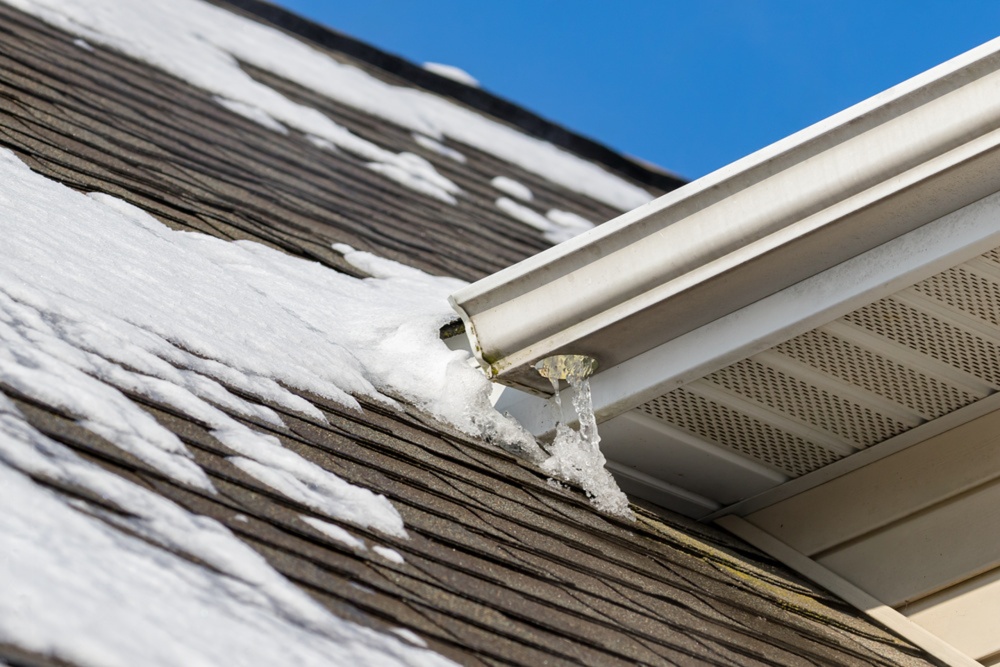
Small roof repairs before winter can help Chicagoland and Metro Milwaukee homeowners protect their homes during a demanding season. Minor roofing problems can worsen after repeated exposure to snow, ice, wind, and changing temperatures. A loose shingle or vulnerable flashing area may allow moisture beneath roofing materials.
Addressing these conditions early can help limit further deterioration and reduce the risk of water reaching the home’s interior.
Key Takeaways
- Small roofing problems can become more serious after repeated exposure to snow, ice, wind, and freezing temperatures.
- Roof maintenance before winter helps uncover vulnerable areas before snow makes roofing conditions harder to evaluate.
- Damaged shingles, flashing, roof penetrations, and drainage areas deserve attention before sustained winter weather arrives.
- Winter roof leak prevention starts with addressing existing vulnerabilities before seasonal conditions place additional stress on the roof.
How Small Repairs Help Protect Roofs Through Midwest Winters
Winter weather often exposes weaknesses that developed during warmer months. Small openings can become more vulnerable as snow melts and temperatures fluctuate. Understanding these risks helps homeowners recognize why timely attention matters.
Small Openings Can Allow Moisture Beneath the Roof
Minor gaps around roofing components can provide entry points for moisture during rain, melting snow, or wind-driven precipitation. Once water moves beneath exterior materials, surrounding components can remain damp or deteriorate. Addressing minor roof problems before they worsen helps reduce exposure before winter conditions repeatedly affect the same vulnerable area.
Freeze-Thaw Cycles Can Worsen Existing Damage
Water can enter small cracks or gaps and freeze when temperatures fall. Expansion during freezing can place additional pressure on already weakened roofing materials. Repeated temperature changes may gradually enlarge an existing problem, making small roof repairs before winter valuable before prolonged cold weather begins.
Early Attention Can Reduce Leak Risks
Roof leaks do not always appear immediately after exterior damage develops. Moisture may travel beneath roofing materials before reaching a visible interior surface. Checking roof conditions before winter can uncover vulnerabilities before snow and ice make those areas more difficult to evaluate. This approach supports winter roof leak prevention by addressing concerns before prolonged seasonal exposure.
Sound Roofing Helps Limit Ice-Related Vulnerabilities
Preventing ice damage to roofs requires attention to several parts of the home and roofing system. Insulation, ventilation, roof design, temperatures, and snow conditions can influence how ice develops. Existing roofing weaknesses can create additional moisture entry points when snow melts or ice forms. Maintaining sound exterior materials helps remove avoidable vulnerabilities during winter.
Year-Round Attention Helps Identify Gradual Deterioration
Roofing materials face sunlight, rain, wind, temperature changes, and normal aging throughout the year. Ongoing preventive roof care can reveal developing concerns before severe weather adds more stress. This information also helps homeowners understand whether a problem is isolated or reflects broader deterioration before preparing your roof for Midwest winter.
Which Roof Repairs to Prioritize Before Winter Damage Spreads
Some roofing problems create greater moisture or weather exposure than others. Visible damage around protective materials and vulnerable transitions deserves particular attention before winter. These areas can become harder to assess after snow and ice arrive.
Damaged or Missing Shingles
Shingles help shed water away from the underlying roofing system. Missing, cracked, lifted, or otherwise damaged shingles can leave surrounding areas more exposed to moisture and wind. Restoring damaged or missing shingles can help maintain protection across affected areas before winter weather adds further stress.
Loose or Deteriorated Flashing
Flashing directs water away from roof joints, transitions, and penetrations. Loose, displaced, or deteriorated flashing can create openings where melting snow or rain may enter. Chimneys, vents, walls, and similar transitions deserve careful attention during roof maintenance before winter because these areas contain multiple material connections.
Areas Affected by Severe Weather
Wind, hail, and falling debris can weaken roofing materials without immediately creating a visible interior leak. Winter conditions can then place additional stress on those affected areas. Addressing roof damage caused by severe weather can help prevent existing vulnerabilities from facing another season without proper evaluation.
Roof Penetrations and Transitions
Vents, chimneys, valleys, and wall intersections interrupt the roof’s continuous surface. These areas depend on correctly functioning materials to direct water away from openings and joints. Deterioration around these locations can create localized moisture risks. Evaluating them before winter helps identify problems before snow conceals exterior conditions.
Roof Edges and Drainage Areas
Melting snow and rain need a clear path away from the roof. Drainage restrictions can allow moisture to remain near roof edges and other vulnerable locations. Repeated freezing can add stress where water collects. Clear drainage supports preventing ice damage to roofs by helping water leave the roofing system efficiently.
Prepare Your Roof for Winter in Chicagoland and Metro Milwaukee
Midwest winters can expose roofing weaknesses that were less noticeable during warmer weather. Custom Installations has provided exterior services across Chicagoland and Metro Milwaukee for more than 50 years. Our experience brings a practical understanding of how local roofs respond to repeated snow, ice, wind, and freeze-thaw conditions.
Request a free estimate to discuss roofing concerns before winter weather arrives. Contact our team to discuss the appropriate next step for your roofing project in Illinois or Wisconsin.
Frequently Asked Questions
When should homeowners check their roofs before winter?
Fall provides an opportunity to identify visible roofing concerns before sustained freezing temperatures and snow arrive. Homeowners can identify damaged materials, vulnerable flashing, drainage concerns, or storm-related deterioration before winter limits roof visibility.
Can a minor roof problem become worse during winter?
Yes. Existing weaknesses can face repeated exposure to snow, melting water, wind, ice, and changing temperatures. Moisture can also enter vulnerable areas and contribute to further deterioration. The extent of the damage depends on the roofing condition and the location of the original problem.
Which roof areas deserve attention before winter?
Damaged shingles, flashing, valleys, penetrations, roof edges, and drainage areas deserve close attention. Interior moisture signs can also indicate an exterior roofing concern. The visible stain may appear somewhere other than the actual point where water entered the roofing system.
Can roof maintenance prevent ice dams?
Roof maintenance can address exterior weaknesses, but it cannot guarantee that ice dams will not develop. Insulation, ventilation, heat movement, roof design, snow, and outdoor temperatures can influence ice formation.