

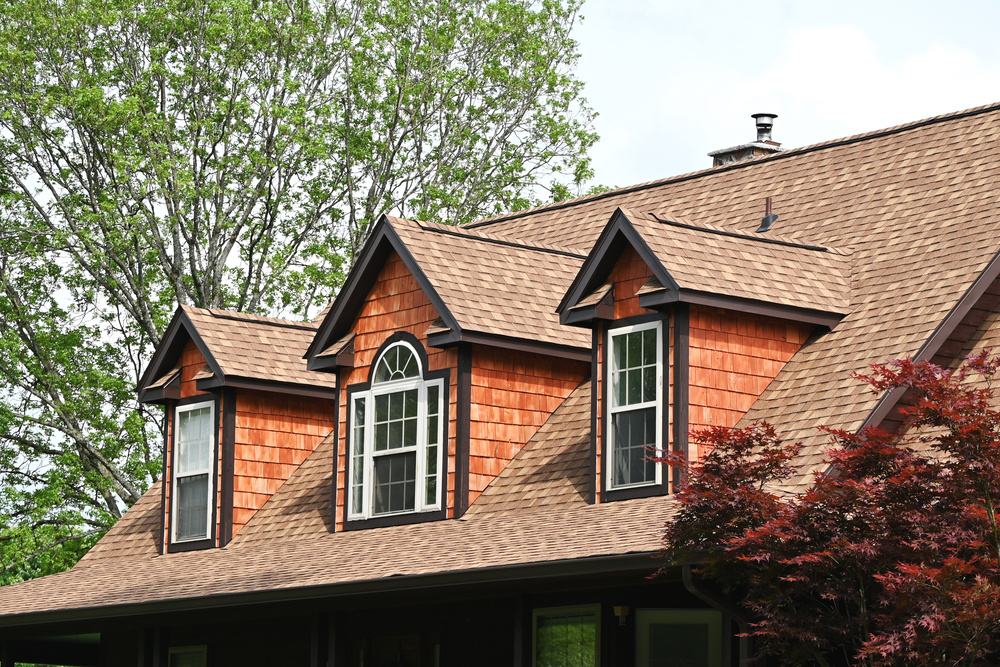
Cedar roofing remains one of the most distinctive roofing systems throughout the North Shore and greater Chicagoland area. Aging cedar roofs eventually require professional evaluation when moisture exposure, storm damage, or structural wear begin affecting long-term performance. Understanding repair and replacement factors early helps homeowners avoid more extensive structural problems later.
Homeowners frequently compare cedar roof investments alongside related exterior improvements like roofing services and gutter installation services. Proper drainage and roofing system performance work together to protect high-value homes from moisture damage and seasonal weather exposure.
Key Takeaways
- Curling cedar shakes often signal deeper moisture or ventilation problems beneath the roof surface.
- Isolated cedar damage may qualify for repairs when the surrounding roof remains structurally sound.
- Older cedar roofs near the end of their lifespan usually benefit more from full replacement planning.
- Proper drainage and ventilation significantly influence cedar roof performance across Chicagoland weather conditions.
Warning Signs Chicagoland Cedar Roofs Should Not Ignore
North Shore cedar roofs experience constant exposure to snow accumulation, freezing temperatures, heavy rain, and seasonal humidity shifts. Those weather patterns accelerate deterioration when cedar roofing systems lose proper ventilation or moisture protection. Homeowners should understand which visible conditions indicate repair opportunities and which problems often justify replacement planning.
Watch For Moisture Damage Beneath Cedar Shakes
Dark staining, moss growth, and soft cedar surfaces often indicate trapped moisture beneath aging roofing materials. Many Chicagoland cedar roofs develop moisture retention problems after years of freeze-thaw exposure and poor attic ventilation. Professional inspections typically determine whether isolated repairs remain practical or if widespread deterioration threatens structural roof decking underneath.
Homes in Lake Forest and Glencoe with recurring moisture issues sometimes benefit from evaluating broader systems like roof replacement services and storm damage restoration. Water infiltration rarely remains isolated once cedar roofing materials begin deteriorating across multiple roof sections.
Identify Curling And Splitting Across Roof Sections
Cedar shakes naturally expand and contract during changing Chicagoland temperatures, especially throughout winter and humid summer months. Over time, repeated movement causes splitting, curling, and uneven shake alignment that weakens weather protection. Localized repairs may resolve isolated sections, but widespread curling usually signals aging materials approaching replacement consideration.
Many older North Shore homes experience this issue after decades of exposure to Lake Michigan’s weather conditions. Cedar roofs in Highland Park and Winnetka often encounter stronger seasonal moisture fluctuations than inland properties.
Address Interior Moisture and Ceiling Stains Quickly
Ceiling stains and attic condensation often appear after cedar roofing systems lose effective moisture control and ventilation balance. Homeowners sometimes mistake these symptoms for isolated leaks when larger roofing deficiencies already exist underneath aging cedar materials. Persistent attic moisture also increases the risk of insulation deterioration and hidden mold development inside roof assemblies.
Roofing evaluations frequently include nearby components like sections in the cedar roofs. Comprehensive assessments help identify whether moisture originates from flashing failures, damaged cedar sections, or insufficient airflow conditions.
Key Repair or Replacement Factors for North Shore Homes
Repairing or replacing cedar roofing involves more than evaluating visible surface damage alone. Chicagoland homeowners should consider roof age, surrounding material conditions, and long-term maintenance expectations before making major decisions. A thorough inspection usually provides the clearest understanding of whether repair investments still offer meaningful value.
Evaluate Roof Age and Remaining Lifespan
Most cedar roofs provide strong long-term performance when installation quality, ventilation, and maintenance remain consistently addressed over time. However, aging cedar systems eventually lose weather resistance even when repairs temporarily improve isolated problem areas. Roofs approaching advanced age often experience repeated maintenance issues that gradually reduce repair cost effectiveness.
North Shore homeowners in Wilmette and Deerfield frequently evaluate replacement options once repairs become increasingly frequent after major storms or harsh winters. Older cedar systems may also struggle to meet modern ventilation standards that improve long-term roof performance.
Measure How Widespread the Damage Has Become
Small areas of cedar damage usually remain repairable when surrounding materials still maintain strong structural integrity and consistent appearance. Problems become more complicated once deterioration spreads across valleys, flashing transitions, ridge sections, or large roof elevations. Widespread failures often create uneven protection levels that shorten the lifespan of otherwise repaired sections.
Professional roofing evaluations help determine whether repair investments will realistically extend system performance for several additional years. Larger homes throughout Glenview and surrounding North Shore communities often require more comprehensive assessments because cedar deterioration can spread gradually across multiple elevations.
Review Ventilation and Drainage Conditions
Proper airflow and water management significantly influence how cedar roofing performs throughout Chicagoland’s changing seasonal conditions. Poor attic ventilation traps moisture beneath cedar shakes, while clogged gutters increase prolonged water exposure along roof edges. Those conditions accelerate deterioration even when cedar materials initially appear structurally sound from ground level.
Many homeowners address roofing concerns alongside related systems like gutter replacement services and siding upgrades. Coordinated exterior upgrades help preserve cedar roofing investments while improving moisture control throughout the entire property.
Protect Your Chicagoland Cedar Roof Before Small Repairs Become Major Replacements
Cedar roofing problems rarely improve without professional evaluation, especially after severe weather or extended moisture exposure. North Shore homeowners benefit from understanding whether targeted repairs remain practical before deterioration spreads further across the roofing system. Scheduling a free estimate provides a clearer understanding of current roof conditions and potential long-term recommendations.
Custom Installations has served Chicagoland homeowners since 1969 with premium exterior remodeling solutions focused on craftsmanship and long-term performance. Property owners throughout Lake Forest, Wilmette, and surrounding North Shore communities continue prioritizing experienced roofing professionals for cedar roof evaluations and replacement planning.
Contact the team today to discuss cedar roofing concerns and schedule a detailed inspection consultation.
Frequently Asked Questions
How long does a cedar roof usually last in Chicagoland?
A properly maintained cedar roof can last several decades, depending on ventilation, installation quality, and weather exposure. Chicagoland’s freeze-thaw cycles and seasonal moisture conditions often influence how quickly cedar roofing materials begin deteriorating over time.
Can isolated cedar shake damage be repaired without full replacement?
Yes, isolated cedar damage may qualify for repairs when surrounding roofing materials remain structurally stable and properly ventilated. Professional inspections help determine whether repairs will provide meaningful long-term performance or only temporary improvement.
What causes cedar roofing to curl or split?
Cedar roofing often curls or splits after repeated expansion and contraction caused by temperature fluctuations and moisture exposure. Poor ventilation and prolonged water retention usually accelerate that deterioration across North Shore roofing systems.
Why are gutters important for cedar roof performance?
Proper gutter performance helps direct water away from cedar roofing materials and roof edges during heavy rainfall. Poor drainage increases moisture retention, which can shorten cedar lifespan and contribute to structural roofing deterioration.