

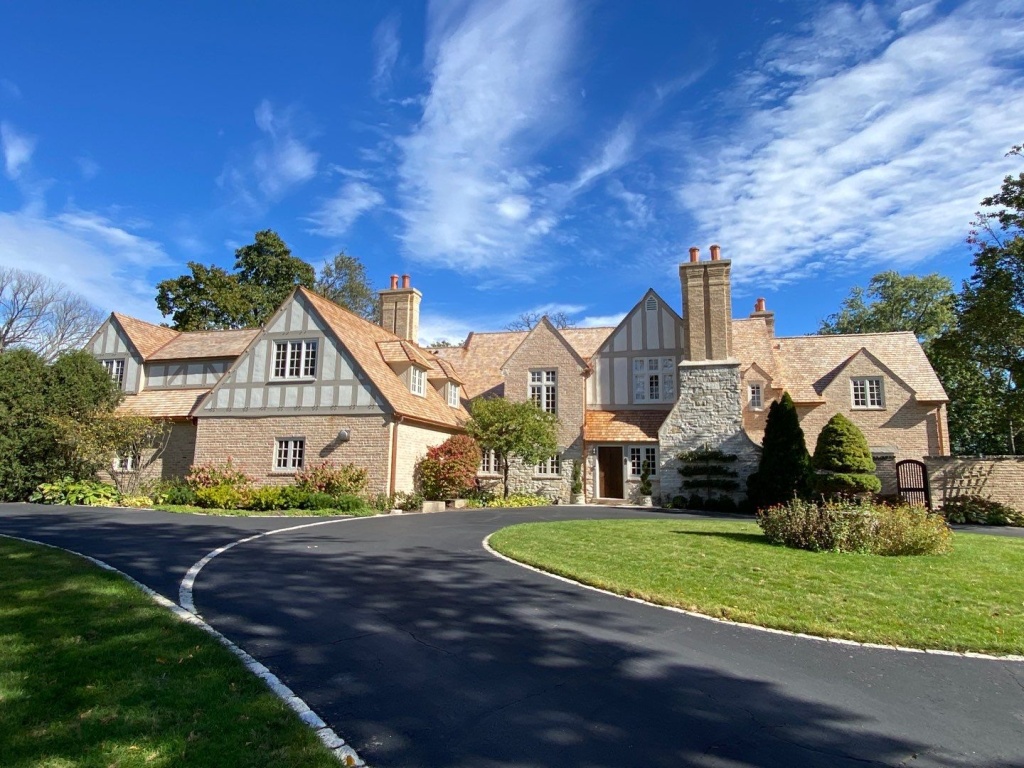
High humidity levels are a year-round concern for homeowners throughout Chicagoland and Metro Milwaukee. The combination of moist air, heat buildup, and seasonal temperature swings can accelerate wear on even the most durable roofing materials.
For homes in these regions, understanding how humidity affects roof performance and structural integrity is essential to preventing costly, premature roof replacement or repair down the road.
Key Takeaways
- High humidity shortens the lifespan of roofs by promoting mold, rot, and material decay.
- Proper ventilation and material choice can help manage moisture exposure and prevent roof damage.
- Routine roof inspection and roof maintenance help detect issues early before they spread.
- Choosing materials suited for humid climates can protect long-term roof performance and energy efficiency.
How High Humidity Shortens Roof Lifespan in Chicagoland
Chicagoland’s proximity to Lake Michigan and Metro Milwaukee’s lake-influenced weather create naturally moist conditions with elevated humidity levels.
Over time, this moisture buildup leads to condensation, accelerated shingle aging, and structural damage if not properly addressed. Below are key ways high humidity reduces roof longevity across Midwest homes and roofing systems.
Moisture Saturation and Material Degradation
When humid air lingers, roofing materials—especially wood and asphalt—absorb excess moisture, weakening their structural integrity. During hot summer months, shingles expand and contract as warm air escapes from the attic space, causing cracks and curled edges.
As condensation seeps under these weakened areas, water damage and leaks occur beneath the surface. Without proper roof ventilation and insulation, this cycle can cause hidden rot that demands early roof replacement.
Mold, Mildew, and Rot Formation
High humidity creates ideal conditions for mold and mildew growth on roofing components, attic interiors, and eaves. Cedar and wood roofs are particularly vulnerable when ventilation systems fail to ensure optimal airflow. Moisture accumulation under shingles or along soffit areas promotes mildew growth that affects indoor air quality.
Preventing these issues requires balanced intake ventilation and ridge vents working together, paired with regular roof inspection to identify early signs of rot.
Trapped Heat and Accelerated Aging
When attic insulation or exhaust ventilation is insufficient, heat buildup combines with moist air to create extreme heat beneath the roof deck. This trapped environment accelerates underlayment decay and can lead to costly repairs over time.
Proper gable vents and cooler surfaces reduce the strain on roofing materials, improving both longevity and energy efficiency. Consistent roof maintenance and humidity control are essential for protecting the home’s structural integrity and maintaining comfortable indoor environments year-round.
Practical Steps to Protect Roofs in Humid Midwest Climates
Preventing roof deterioration in humid climates requires smart design, reliable ventilation systems, and proactive maintenance. For homeowners across Chicagoland and Metro Milwaukee, following these strategies ensures roofs withstand prolonged exposure to moisture and high temperatures.
Prioritize Roof Ventilation and Insulation
Proper attic ventilation is critical to maintaining airflow and preventing condensation on the underside of the roof. A balanced ventilation system using intake vents and ridge vents allows cool air to enter and warm air to escape, minimizing moisture accumulation.
Insulation helps regulate temperatures, reducing ice dams and preventing extreme heat from damaging shingles. A thorough roof inspection verifies that vents remain free of debris and that airflow through the attic space remains unobstructed.
Choose Moisture-Resistant Roofing Materials
Selecting quality roofing materials designed for humid weather can prevent significant problems later. Treated cedar, metal roofs, and high-grade asphalt shingles resist moisture penetration and reduce mildew growth. Slate and synthetic shingles also maintain durability in prolonged exposure to humidity.
An expert roof installation ensures the ventilation system and intake ventilation align correctly, maintaining ideal conditions and extending the roof’s lifespan.
Implement a Preventative Maintenance Schedule
A structured plan for roof maintenance protects against unseen water damage and humidity effects. Professional contractors inspect gable vents, soffits, and exhaust systems to ensure proper ventilation. Scheduling regular roof inspections twice yearly—before and after humid summer months—helps detect leaks, condensation, or ventilation issues early.
Addressing these findings promptly safeguards your home from structural damage caused by moisture buildup and prevents future storm and weather damage.
Take the First Step Toward a Longer-Lasting Roof
Protect your Chicagoland or Metro Milwaukee home from humidity-related roof deterioration with quality craftsmanship from Custom Installations. Our certified team specializes in expert roof replacement, detailed inspections, and ventilation improvements tailored for Midwest climates.
Request a free estimate or contact our Illinois office at (847)-316-0313 to schedule your on-site evaluation and ensure your roofing system performs under all humidity levels.
Frequently Asked Questions
How does humidity affect roof longevity in Chicagoland?
Humidity impacts the roofing system by increasing moisture accumulation, mildew growth, and overall material deterioration. Prolonged exposure to moist air and warm attic space weakens shingles and underlayment. With proper roof ventilation and regular roof inspections, homeowners can maintain structural integrity and reduce costly repairs.
What are the best roofing materials for humid climates?
In the Midwest, treated cedar, slate, and high-grade asphalt shingles perform exceptionally well against moisture buildup and high humidity. Metal roofs also resist mildew growth and help maintain cooler surfaces during extreme heat. Using proper insulation and ventilation systems further improves energy efficiency.
How can I tell if my roof has humidity damage?
Signs of humidity damage include mold growth, musty odors, and visible water damage on walls or attic ceilings. Look for warped shingles, rot near eaves, and discoloration from condensation on the underside of decking. Scheduling a professional inspection ensures issues are caught early before they lead to structural damage.
Can regular maintenance prevent humidity-related problems?
Yes. Routine roof maintenance ensures proper ventilation, insulation, and moisture control across all roofing components. Contractors check intake vents, ridge vents, and airflow paths to ensure optimal ventilation. Maintaining this schedule through humid summer months protects against leaks, ice dams, and long-term roof damage.