

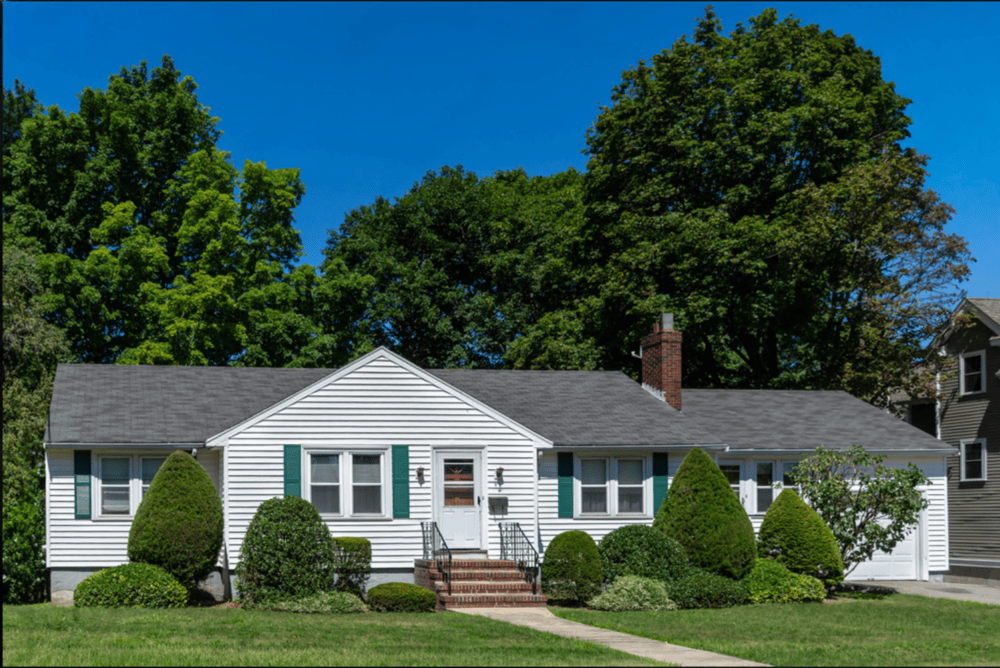
Severe thunderstorms, hail, and strong winds can cause significant roofing damage across Chicagoland, including problems that are not immediately visible. Understanding the storm damage repair mistakes Chicagoland homeowners should avoid helps prevent costly complications and protect long-term roof performance.
Missing shingles, damaged flashing, and hidden moisture intrusion can worsen when homeowners overlook early warning signs.
Homeowners in Lake Forest, Wilmette, and Highland Park should assess storm damage carefully before making restoration decisions. Common roof repair mistakes after a storm include delaying inspections, overlooking concealed damage, and choosing unsuitable roofing materials.
Since 1969, Custom Installations has helped Chicagoland homeowners protect their properties through premium roofing installations and storm damage restoration.
Key Takeaways
- Storm damage can affect roofing materials even when visible exterior damage appears minor.
- Professional roof assessments help identify concealed problems before homeowners make major restoration decisions.
- Accurate documentation and insurance communication can reduce complications during the storm restoration process.
- Quality materials and experienced installation help preserve long-term roofing performance against Chicagoland weather.
7 Storm Damage Repair Mistakes Chicagoland Homeowners Can Avoid
Storm damage can create roofing problems that are easy to underestimate without a complete assessment. Understanding these mistakes helps homeowners avoid unnecessary expenses and protect their properties. The following seven mistakes deserve attention before making restoration decisions.
Ignoring Minor Roof Damage After Severe Weather
Small roofing defects can become serious problems when homeowners assume minor storm damage does not require attention. Understanding the risks of delaying storm damage repairs begins with identifying displaced shingles, exposed fasteners, and compromised flashing. These openings can allow moisture beneath roofing materials, increasing the likelihood of deterioration during subsequent rainfall.
Overlooking Hidden Damage Beneath Roofing Materials
A roof may appear intact from the ground while concealed components have sustained damage from hail or wind. Identifying hidden roof damage after severe storms requires examining vulnerable areas, including flashing connections, shingle surfaces, and exposed roof penetrations. For homeowners in Glenview, getting a thorough roof inspection helps establish whether concealed deterioration warrants further attention.
Attempting Unsafe Roof Assessments Without Professional Assistance
Climbing onto a storm-damaged roof exposes homeowners to slippery surfaces, unstable materials, and potentially dangerous structural conditions. Homeowners should document visible damage from safe ground-level locations and leave elevated assessments to qualified roofing professionals. Following the National Weather Service’s thunderstorm safety guidance also helps homeowners recognize hazards before approaching damaged exterior areas.
Choosing Temporary Patches Instead of Evaluating Long-Term Damage
Temporary patches may conceal visible openings without addressing the underlying condition of a storm-damaged roofing system. Homeowners considering addressing roof leaks should distinguish emergency water protection from a comprehensive restoration plan. This distinction matters because concealed moisture pathways can remain active after surface openings appear covered.
Selecting Roofing Materials Without Considering Weather Resistance
Choosing replacement materials based only on appearance can compromise long-term performance under Chicagoland’s changing weather conditions. Roofing materials should match the home’s architectural requirements, existing roof design, and applicable manufacturer installation specifications. Asphalt shingles, cedar roofing, and slate each require different installation considerations to maintain durability and weather protection.
Hiring Contractors Without Verifying Roofing Credentials
Selecting a contractor without reviewing qualifications can expose homeowners to installation defects and unclear project responsibilities. Before approving restoration work, verify applicable licensing, manufacturer credentials, written project scope, and labor warranty terms. Established qualifications, including GAF Master Elite Contractor status, help homeowners distinguish documented expertise from unsupported marketing claims.
Delaying Roof Replacement When Storm Damage Is Extensive
Repeatedly addressing isolated roofing defects may be unsuitable when severe storms have compromised substantial portions of the roof. Evaluating roof replacement after extensive storm damage involves considering material condition, damage distribution, and remaining service life. A comprehensive replacement assessment helps homeowners avoid investing in limited work that cannot restore dependable roof performance.
Key Steps to Take Before Starting Storm Damage Repairs
Storm restoration requires more than identifying damaged shingles or scheduling construction work. Homeowners should understand the roof’s condition, document storm impacts, and establish clear expectations before committing to a project. These five steps support informed decisions and a more organized restoration process.
Document Visible Damage Before Altering the Property
Storm damage documentation becomes difficult when affected materials are removed before their original condition is recorded. Photograph visible roofing debris, damaged gutters, fallen branches, and interior water stains from safe locations. Dated photographs and written observations create a useful record for contractor discussions and potential insurance reviews.
Arrange a Comprehensive Roof Damage Assessment
Ground-level observations cannot reliably establish the full extent of damage across an entire roofing system. A storm damage roof inspection checklist should address shingle condition, flashing, roof penetrations, drainage components, and visible moisture intrusion. A structured assessment helps identify which areas require further investigation before restoration work begins.
Review Insurance Coverage and Claim Requirements
Homeowners sometimes begin major restoration projects without understanding policy exclusions, deductibles, or documentation requirements. Reviewing and understanding the storm damage insurance claim process helps clarify the relationship between contractor findings and insurer decisions. The Illinois Department of Insurance’s consumer resources provide additional guidance for homeowners reviewing coverage and claims procedures.
Confirm the Restoration Scope and Material Specifications
Unclear project descriptions can create disagreements about materials, installation requirements, and the work included in a roofing contract. Request a written scope identifying affected roof areas, proposed materials, removal requirements, and applicable warranty information. Detailed specifications help ensure the planned restoration addresses documented conditions rather than relying on general assumptions.
Plan Restoration Work Around Weather and Property Conditions
Unfavorable weather can interfere with roofing installation, material handling, and proper protection of exposed roof areas. Homeowners should discuss anticipated scheduling, weather contingencies, and property access requirements before construction begins. Coordinating these conditions helps reduce unnecessary exposure while supporting consistent installation quality.
Protect Your Chicagoland Home With Professional Storm Damage Restoration
Storm damage requires careful evaluation, dependable materials, and experienced installation. Since 1969, Custom Installations has provided premium exterior remodeling services throughout Chicagoland, including Lake Forest, Glencoe, and Wilmette.
As a GAF Master Elite Contractor, the company emphasizes quality craftsmanship and long-lasting roofing solutions.
If severe weather has affected your roof, contact Custom Installations to request a free estimate for your storm restoration project. Discuss your roofing concerns, available replacement options, and insurance claim assistance with a team committed to protecting your property’s long-term value.
Frequently Asked Questions
How soon should homeowners assess roof damage after a storm?
Homeowners should assess visible damage once weather conditions are safe. Prompt documentation helps identify potential roofing problems, supports insurance communication, and reduces the possibility of additional moisture intrusion before restoration decisions are made.
What are the most common signs of hail damage on a roof?
Common signs include shingle bruising, granule loss, cracked roofing materials, and damaged flashing. Homeowners should also examine accessible gutters and downspouts for unusual debris without climbing onto the roof or disturbing damaged materials.
What are the biggest mistakes to avoid after hail damage?
The biggest mistakes to avoid after hail damage include overlooking concealed damage, delaying documentation, and selecting contractors without verifying qualifications. Homeowners should obtain a comprehensive assessment before deciding whether restoration or replacement is appropriate.
Does homeowners insurance cover storm damage roof replacement?
Homeowners insurance may cover roof replacement when damage results from a covered event, such as hail or wind. Coverage depends on policy terms, deductibles, exclusions, roof condition, and the insurance company’s assessment of the loss.