

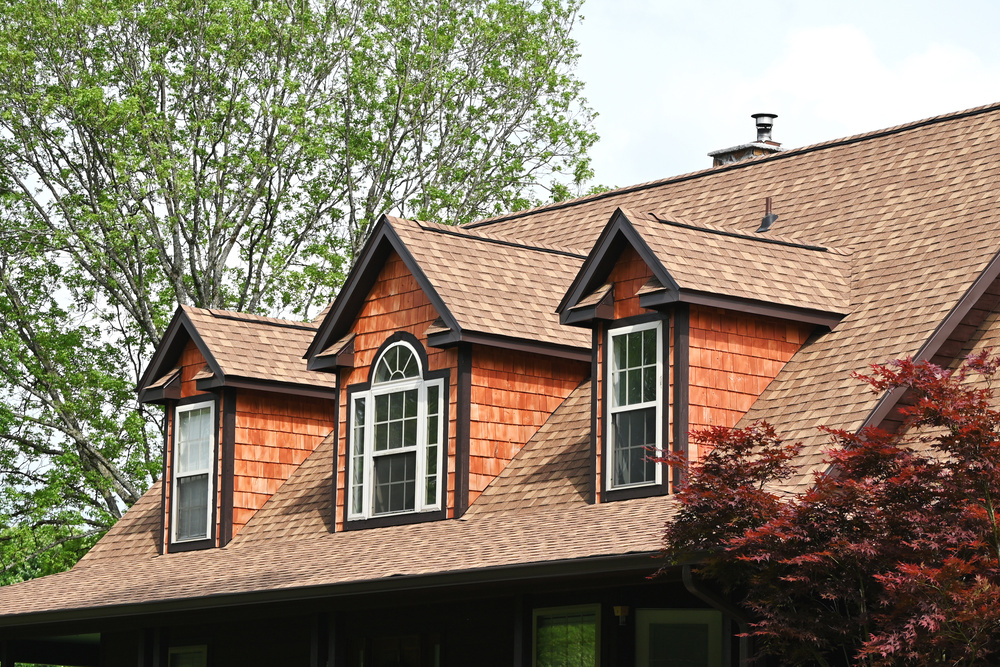
Severe hail, strong winds, and heavy rainfall can damage premium roofing materials without leaving obvious signs from the ground. Understanding how to document storm damage on premium roofs for insurance claims helps homeowners preserve evidence before restoration begins. Accurate records can help insurance adjusters distinguish storm-related conditions from ordinary material aging.
Homeowners in Lake Forest and Mequon should document visible damage carefully while avoiding unsafe roof access. Slate, cedar shake, and architectural roofing details require particular attention because damage patterns vary by material.
Organized photographs, inspection findings, and property records create a clearer foundation for insurance discussions.
Key Takeaways
- Photograph visible storm damage promptly, including roofing materials, drainage components, and affected exterior details.
- Record storm dates and weather conditions to establish a useful timeline for insurance documentation.
- Professional assessments can help identify concealed damage and explain material-specific roofing conditions.
- Keep photographs, inspection findings, and insurance correspondence organized before the adjuster’s scheduled visit.
How to Record Premium Roof Damage in Lake Forest and Mequon
Premium roofs require documentation that accounts for material characteristics, architectural details, and the location of visible damage. A consistent recording process helps homeowners present evidence without making unsupported assumptions about the cause of deterioration.
These five practices focus on capturing useful information before an insurance adjuster evaluates the property.
Photograph Visible Roof Damage From Safe Locations
Roof damage can be difficult to establish when photographs show isolated defects without identifying their position on the property. Begin collecting storm damage photos for roof insurance claims using wide exterior views followed by closer images from safe locations.
This approach helps adjusters understand where visible problems occur without requiring homeowners to climb onto damaged roofing surfaces.
Document Hail Impacts on Specialty Roofing Materials
Hail can affect slate, cedar shake, and asphalt roofing differently, making general photographs insufficient for explaining material-specific conditions. When documenting hail damage on luxury roofs, photograph visible fractures, displaced pieces, and surface changes without disturbing the materials.
Because different roofing materials show damage in different ways, these details help establish which areas need closer professional examination.
Record Copper Flashing and Architectural Roof Details
Copper flashing, valleys, and decorative roof components may develop dents, deformation, or displaced connections during severe weather. Photograph visible changes to copper roof details and flashing, including their position relative to surrounding shingles, slate, or cedar.
These images help adjusters distinguish cosmetic surface marks from conditions that may affect drainage or weather protection.
Capture Cedar Shake Damage Without Disturbing Materials
Cedar shake roofs can develop splits, displacement, and surface deterioration that require careful interpretation after severe storms. When examining cedar shake roofing, photograph visible changes and record their locations without lifting or moving individual shakes.
For Mequon homeowners, this documentation helps distinguish possible storm impacts from natural weathering and existing material deterioration.
Preserve Evidence Around Historic Roofing Features
Historic properties may contain distinctive roof profiles, materials, and architectural details that complicate ordinary damage documentation. Homeowners should photograph affected features and retain available records showing their condition before the storm.
For properties requiring historic roof restoration, these records help explain the original materials and architectural features that restoration planning must consider.
Steps to Organize Evidence Before the Insurance Adjuster Inspection
A complete collection of photographs becomes more useful when supporting records are clearly labeled and easy to review. Homeowners should organize evidence chronologically and separate observed damage from assumptions about its cause.
The following five steps establish a practical roof storm damage documentation checklist before an adjuster’s inspection.
Establish a Clear Storm Event Timeline
Insurance documentation can become confusing when homeowners cannot connect their observations to a specific weather event. Record the storm date, approximate time, and conditions using personal observations and available weather reports.
The National Weather Service storm reports can provide regional context, although they cannot independently establish damage at a particular address.
Organize Photographs by Roof Area and Damage Type
Unlabeled photographs can make it difficult for an adjuster to understand which roof sections or exterior components appear affected. Group images by roof slope, material, and visible condition, retaining original files whenever possible.
Consistent labels help connect individual photographs with written observations and make the evidence easier to review.
Gather Previous Roofing and Maintenance Records
Older roofing conditions can complicate an insurance assessment when no records establish the property’s condition before severe weather. Collect available installation documents, material information, previous photographs, and relevant maintenance records without altering their original contents.
These documents provide background that may help distinguish newly observed damage from documented preexisting conditions.
Obtain a Written Professional Roof Assessment
Homeowners may overlook concealed damage when relying entirely on photographs taken from the ground. Written roof inspection reports for insurance adjusters should identify observed conditions, affected components, and supporting photographic evidence.
A professional storm damage roof assessment can help Lake Forest homeowners document roofing conditions that require further evaluation before restoration decisions are made.
Prepare a Complete Evidence File for the Adjuster
Scattered photographs, estimates, and correspondence can make insurance discussions unnecessarily difficult to follow. Create a single organized file containing dated images, the storm timeline, relevant property records, and professional findings.
Homeowners in Illinois and Wisconsin can consult their respective state insurance regulators for guidance on claims documentation and consumer rights.
Get Professional Guidance for Premium Roof Storm Damage
Documenting premium roof damage requires careful observation, accurate records, and an understanding of specialty roofing materials. Since 1969, Custom Installations has served homeowners throughout Chicagoland and Metro Milwaukee, including Lake Forest, Mequon, and Whitefish Bay.
Its storm damage restoration services emphasize quality craftsmanship, premium roofing materials, and assistance with insurance claims.
If severe weather has affected your roof, contact Custom Installations to request a free estimate. A consultation can help clarify roofing concerns, appropriate restoration options, and the documentation needed for informed discussions with your insurance adjuster.
Frequently Asked Questions
What photographs should homeowners take after a roof-damaging storm?
Photograph each visible roof slope, damaged roofing materials, flashing, gutters, and affected exterior features from safe locations. Include wide views and close-up images, preserving original files and recording when each photograph was taken.
Can homeowners document slate or cedar roof damage themselves?
Homeowners can photograph visible damage from the ground and collect relevant property records. However, assessing slate fractures or cedar shake deterioration generally requires professional expertise because material aging and storm-related damage can appear similar.
Should homeowners obtain a roof assessment before the insurance adjuster arrives?
A professional assessment can help identify affected roofing components and organize supporting evidence before the adjuster’s visit. Homeowners should also review their insurance policy and follow the insurer’s specific reporting and inspection requirements.
What if the insurance adjuster overlooks roof damage?
Homeowners can ask the insurer how to submit additional photographs, written findings, or supporting records for reconsideration. Keep correspondence organized, request explanations of coverage decisions, and consult the appropriate state insurance regulator when necessary.