
Choosing the right siding options for your home is one of the most consequential exterior decisions you will make. In Chicagoland and Metro Milwaukee, freeze-thaw cycles, hail, and humid summers put siding under stress that moderate-climate markets simply do not face. This guide walks you through the materials that hold up, the trade-offs between them, and the practical factors that determine which choice fits your home best.
Key Takeaways
- Fiber cement siding lasts 50 years or more when properly installed and maintained in Midwest climates.
- Engineered wood siding, such as LP SmartSide, resists freeze-thaw damage through resin-treated wood fiber construction.
- Vinyl siding offers the lowest upfront cost but typically lasts 20 to 40 years in harsh Chicagoland and Metro Milwaukee conditions.
- Cedar siding performs well aesthetically but requires consistent maintenance every few years in cold, wet climates.
Comparing Siding Materials That Last in Midwest Conditions
Not all exterior siding options are created equal, and that gap becomes obvious once a Midwest winter arrives. Chicagoland and Metro Milwaukee homes face repeated freeze-thaw cycles, spring hail, summer humidity, and wind-driven rain. Understanding how each material responds to those stresses is the starting point for any sound siding decision.
The four materials covered below represent the most common choices contractors install across the North Shore and greater Milwaukee suburbs. Each has a distinct performance profile, maintenance requirement, and cost structure.
James Hardie Fiber Cement: The Benchmark for Durability
Fiber cement siding is made from Portland cement, sand, cellulose fibers, and water. That composition gives it dimensional stability that vinyl and natural wood cannot match through temperature swings. In Illinois and Wisconsin climates, cold temperatures do not make fiber cement brittle the way they can affect vinyl. It resists impact well and stays structurally sound through repeated freeze-thaw stress. When properly installed and maintained, fiber cement commonly lasts 50 years or more. James Hardie is the leading manufacturer in this category and is a siding brand Custom Installations installs across the Chicagoland and Metro Milwaukee service area.
LP SmartSide Engineered Wood: Impact Resistance With a Wood-Look Finish
Engineered wood siding is manufactured from treated wood strands bonded with industrial-grade resins and waxes. That treatment process significantly reduces the moisture absorption that causes natural wood to crack, split, and rot during freeze-thaw cycles. LP SmartSide is the most widely used engineered wood product in the Midwest and carries a 50-year limited warranty. It handles impact well in cold temperatures and installs with a profile that closely resembles natural wood. For homeowners who want the warmth of a wood-look finish without the ongoing maintenance demands of natural cedar, engineered wood is a practical and durable alternative.
Vinyl Siding: The Most Affordable Exterior Siding Option
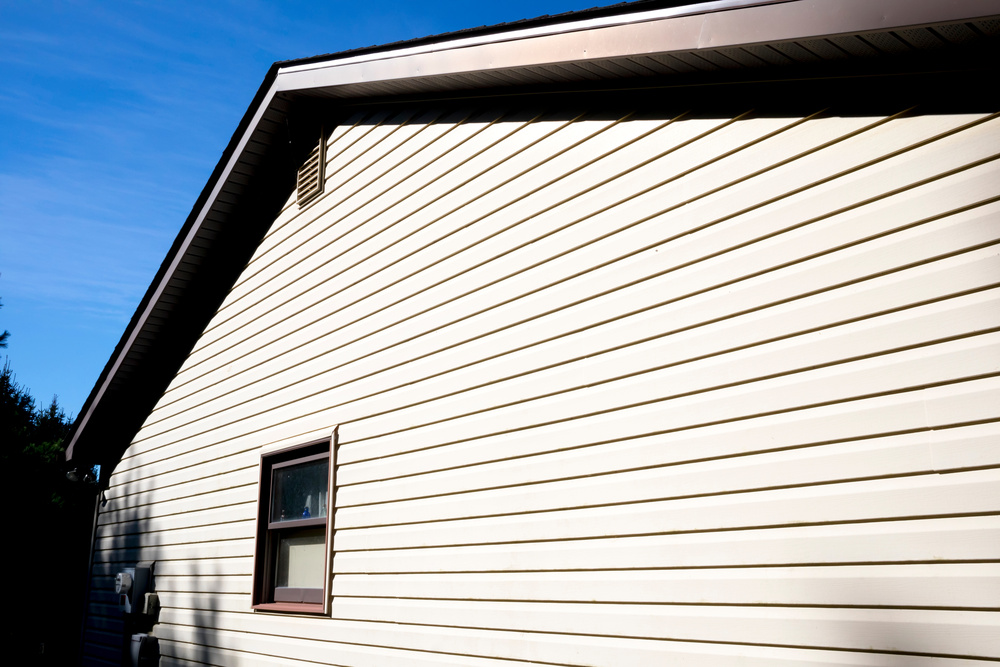
Vinyl is the most economical siding option available and remains one of the most installed materials nationwide. It is inherently waterproof and requires very little maintenance beyond periodic cleaning. The trade-off in Midwest climates is longevity and performance under stress. Vinyl expands and contracts significantly with temperature changes, which requires loose installation to allow for movement. That flexibility can make vinyl susceptible to wind-driven detachment and impact cracking in cold weather. A realistic lifespan for quality vinyl siding in a northern Illinois or Wisconsin climate is 20 to 40 years, depending on product grade and installation quality.
Cedar Siding: Premium Aesthetics With Higher Maintenance Demands
Cedar is a natural wood siding option valued for its appearance and long history in residential construction. It performs best when regularly maintained with painting or staining every three to five years. In the wet, cold conditions common to Chicagoland and Metro Milwaukee winters, cedar that is not consistently maintained is vulnerable to moisture intrusion, rot, and freeze-thaw damage. For homeowners on properties where cedar fits the architectural character and maintenance is manageable, it remains a viable choice. It is not the lowest-maintenance or most economical option, but well-maintained cedar siding can last several decades on the right home.
Key Factors for Choosing the Right Long-Term Option
Selecting from the available siding options for your home requires more than comparing material lifespan numbers. The right choice depends on how those materials interact with your home’s specific conditions, your maintenance preferences, and your long-term ownership goals. Getting this decision right the first time avoids premature replacement costs and protects the wall system beneath the siding.
The four factors below consistently determine whether a siding investment delivers its full expected value. Each one deserves careful consideration before a final material decision is made.
How Midwest Climate Conditions Affect Every Material
Chicagoland and Metro Milwaukee homes face some of the most demanding conditions for exterior siding in the country. Summers bring heat and humidity. Winters bring prolonged freezing temperatures and moisture. Spring and fall add rapid temperature swings that force siding to expand and contract repeatedly. That constant movement is the primary driver of premature siding failure, regardless of material. Fiber cement and engineered wood siding handle these conditions more reliably than standard vinyl because neither expands and contracts to the same degree under temperature stress.
Installation Quality Determines Whether Lifespan Estimates Hold
The lifespan numbers associated with any siding material assume professional installation with correct detailing. Poor installation shortens performance across every material category. Fiber cement installed without proper sealing at seams and penetrations will absorb moisture and shorten its functional life. Vinyl installed too tightly will buckle and split as temperatures drop. Engineered wood installed without adequate clearance from grade or trim can wick moisture into the substrate. Choosing an experienced contractor who follows manufacturer installation guidelines is as important as choosing the right material.
Maintenance Requirements Vary Significantly Between Materials
Long-term performance depends on what happens after installation. Fiber cement with a factory-applied finish generally requires repainting every 10 to 15 years to maintain its moisture protection. Engineered wood siding requires repainting on a similar cycle and annual inspection of caulked joints. Vinyl requires the least routine maintenance but cannot be repainted if fading or color becomes an issue over time. Cedar demands the most consistent upkeep, with painting or staining every three to five years in wet climates. Homeowners who accurately plan for maintenance costs alongside installation costs make better long-term decisions.
Upfront Cost Versus Long-Term Value Is Not the Same Calculation
Vinyl siding carries a lower upfront cost than fiber cement or engineered wood. For homeowners with a fixed budget or a shorter ownership horizon, vinyl can be a reasonable choice. For homeowners planning a long-term ownership period, the lower replacement frequency of fiber cement often produces a better value over time. A material that lasts 50 years with moderate maintenance may represent a lower total cost than a material that lasts 25 years and requires full replacement twice in the same period. Getting a detailed estimate that includes material, labor, and realistic maintenance projections helps clarify the true cost of each option.
Request a Free Estimate From Custom Installations
Custom Installations has served homeowners across Chicagoland and Metro Milwaukee for more than 50 years. The team installs James Hardie fiber cement, LP SmartSide engineered wood, cedar, and vinyl siding on homes throughout the North Shore and greater Milwaukee area. Estimates are detailed, pricing is honest, and there are no call centers or sales pressure involved.
If you are ready to compare your siding options with a team that knows Midwest conditions from the field up, Contact us to schedule your Free Estimate. Same business day outreach is the standard, and the conversation starts with what your home actually needs.
Frequently Asked Questions
What are the best siding options for Midwest homes?
Fiber cement and engineered wood siding perform most reliably in Chicagoland and Metro Milwaukee climates. Both handle freeze-thaw cycles, hail, and humidity better than standard vinyl. The right choice depends on budget, maintenance preference, and home style.
What is the least expensive type of siding?
Vinyl siding is the most economical exterior siding option available. It has a lower upfront cost than fiber cement or engineered wood and requires minimal maintenance. In harsh Midwest climates, its lifespan typically ranges from 20 to 40 years.
What is the best alternative to vinyl siding?
Engineered wood siding, such as LP SmartSide, is a strong alternative to vinyl for homeowners who want better impact resistance and a wood-look appearance. It handles freeze-thaw cycles well and carries a 50-year limited warranty from the manufacturer.
What are the current trends in exterior siding options?
Vertical siding profiles and board-and-batten installations are increasingly popular on modern exterior homes across Chicagoland and Metro Milwaukee. Both fiber cement and engineered wood are available in these profiles, offering a contemporary look with long-term durability.