

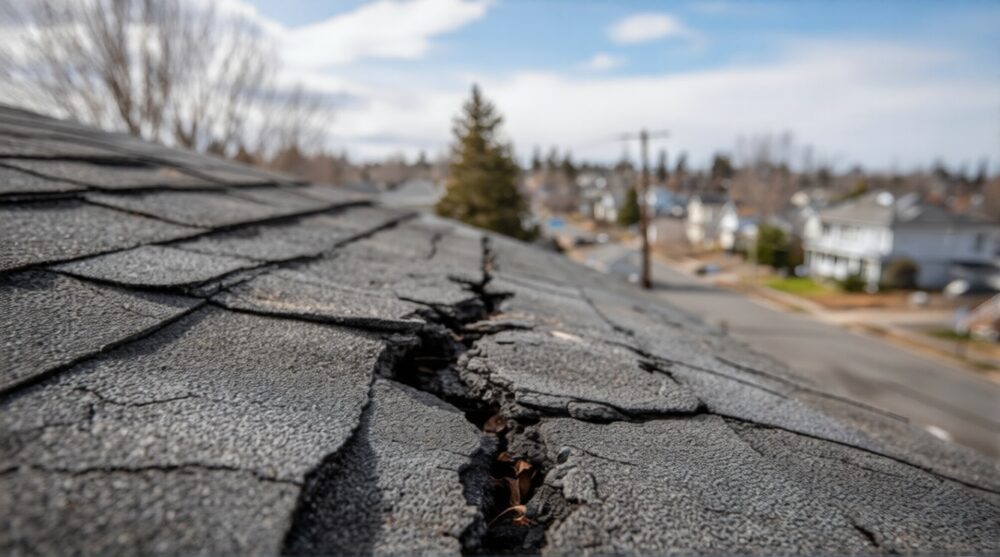
Summer temperatures across the Midwest place continuous stress on residential roofing systems. Prolonged heat, intense sunlight, and sudden temperature changes gradually reduce roofing performance, even when damage is not immediately visible. Understanding how heat affects your roof helps you make informed decisions that support longer-lasting protection for your home.
Key Takeaways
- Summer heat gradually weakens roofing materials through repeated expansion, contraction, and ultraviolet exposure.
- Poor attic ventilation allows excessive heat to shorten the lifespan of roofing components.
- Small signs of heat damage often develop slowly before becoming costly roofing problems.
- Consistent maintenance helps reduce heat-related wear and supports longer roof performance.
How Midwest Summer Heat Damages Your Roof
Summer heat affects roofing materials in several ways, many of which develop gradually over multiple seasons. Understanding these effects helps homeowners recognize why preventive care matters before visible damage appears. The following factors explain how prolonged heat contributes to premature roof aging.
Accelerate Shingle Aging During Hot Weather
Intense sunlight and prolonged heat gradually dry out roofing shingles, making them more brittle as they continue aging. Consistent roof maintenance helps identify curling edges, granule loss, and surface cracking before widespread deterioration develops. Addressing these early warning signs helps preserve the roofing system because damaged shingles expose underlying materials to additional weathering.
Checking the roof after extended heat waves allows homeowners to identify visible changes before seasonal wear becomes more difficult to manage.
Increase Attic Temperatures Without Proper Ventilation
Heat trapped inside the attic raises temperatures beneath the roof deck and places additional stress on roofing materials. Excessive attic heat accelerates material deterioration because shingles and structural components remain exposed to elevated temperatures for longer periods. Balanced ventilation helps reduce unnecessary heat buildup while supporting more consistent roof performance throughout the summer.
Routine evaluations of attic airflow can reveal conditions that may shorten the lifespan of the roofing system.
Weaken Roofing Components Over Time
High temperatures cause roofing materials to expand throughout the day before contracting as temperatures cool overnight. This repeated movement gradually affects flashing, sealants, and other roofing components that help prevent water intrusion. Small areas of wear become more significant over time because repeated thermal movement slowly weakens critical roofing connections.
Watching for loose flashing or cracked sealants after prolonged hot weather helps prevent larger roofing concerns later.
Create Hidden Damage That Worsens Gradually
Many heat-related roofing problems begin beneath the surface before becoming visible from the ground. A professional roof inspection can identify subtle signs of deterioration that homeowners may not notice during a routine visual check. Detecting hidden issues early reduces the likelihood that minor heat damage will develop into more extensive roofing repairs.
Periodic evaluations provide a clearer understanding of how seasonal heat continues affecting overall roof performance.
Speed Up Wear Across Your Home’s Exterior
Summer heat also influences other exterior components that work together to protect the home from weather. Prolonged sunlight can accelerate wear on siding, while repeated expansion and heavy summer storms place additional stress on gutters throughout the season. Maintaining the entire exterior helps each component perform as intended while reducing the likelihood of moisture-related problems.
Looking beyond the roof creates a more complete approach to protecting the home’s exterior throughout the hottest months of the year.
Key Maintenance Steps for Longer Roof Life in the Midwest
Summer heat cannot be avoided, but its long-term effects can often be reduced through consistent maintenance and timely attention. Small preventive measures help roofing systems perform more reliably throughout periods of prolonged heat and changing weather conditions. The following maintenance practices support better roof performance while reducing unnecessary wear over time.
Schedule Seasonal Roof Maintenance
Minor roofing issues often become more difficult to address after months of continuous heat exposure. Regular maintenance of your exteriors helps identify worn materials, loose flashing, and other developing concerns before they affect larger sections of the roof. Addressing small problems early helps preserve roofing materials while reducing the risk of more extensive deterioration.
Scheduling maintenance before and after the hottest part of summer provides a clearer picture of the roof’s overall condition.
Improve Attic Ventilation Before Heat Builds Up
Poor ventilation allows hot air to remain trapped beneath the roof, increasing stress on roofing materials throughout the day. Improving attic airflow helps regulate temperatures and reduces unnecessary heat buildup that contributes to premature roof aging. Better ventilation also supports more consistent indoor comfort while reducing moisture accumulation inside the attic.
Inspecting attic vents regularly helps ensure air continues moving efficiently during the hottest months of the year.
Remove Debris That Traps Heat and Moisture
Leaves, branches, and other debris prevent roofing materials from drying efficiently after summer storms and periods of high humidity. Keeping the roof surface clear reduces trapped moisture while allowing roofing materials to perform as intended during prolonged hot weather. Clean roofing surfaces also make it easier to identify developing concerns before they become more significant.
Removing seasonal debris after storms helps maintain proper drainage and supports healthier roof performance throughout the summer.
Address Minor Repairs Before They Become Major Problems
Small cracks, loose shingles, and deteriorating sealants rarely improve without timely attention. Prompt repairs help prevent heat-related damage from expanding into larger areas that require more extensive corrective work. Resolving minor concerns early also helps preserve surrounding roofing materials that remain in good condition.
Monitoring visible changes throughout the summer allows homeowners to respond before routine wear becomes a larger roofing issue.
Plan Roof Upgrades Before Aging Becomes a Concern
Every roofing system eventually reaches a point where repairs become less practical than long-term improvements. Thoughtfully planned roof upgrades allow homeowners to improve durability, energy performance, and overall protection before aging materials create recurring problems. Planning ahead also provides more flexibility when selecting materials and scheduling future roofing work.
Evaluating long-term roofing goals before major deterioration develops helps homeowners make informed decisions with greater confidence.
Plan for a Roof That Lasts Through Midwest Summers
For more than 50 years, Custom Installations has provided homeowners throughout Chicagoland and Metro Milwaukee with premium exterior remodeling solutions built for lasting performance.
Our quality craftsmanship, trusted manufacturer certifications, and a commitment to long-term results help homeowners protect their investment with confidence through every season.
Understanding how summer heat affects your roof makes it easier to prevent premature aging before small concerns become larger problems. Whether you’re in Lake Forest or Mequon, contact our team to discuss the best approach for protecting your roof.
Frequently Asked Questions
Can summer heat damage a roof even without severe storms?
Yes. Prolonged heat and ultraviolet exposure gradually weaken roofing materials through expansion, contraction, and natural aging. Damage often develops slowly and may not become visible until roofing materials begin to deteriorate.
How does attic ventilation affect roof lifespan?
Proper attic ventilation helps release trapped heat that would otherwise increase temperatures beneath the roof deck. Reducing excessive heat helps roofing materials perform more consistently and slows unnecessary wear over time.
What signs indicate heat-related roof damage?
Common signs include curling shingles, cracked sealants, granule loss, fading, and deteriorating flashing. These changes often appear gradually after repeated exposure to prolonged summer heat and intense sunlight.
How often should homeowners evaluate their roof during the summer?
A visual inspection before and after the hottest months can help identify developing concerns. Additional evaluations following severe summer storms provide another opportunity to detect damage before it becomes more extensive.