

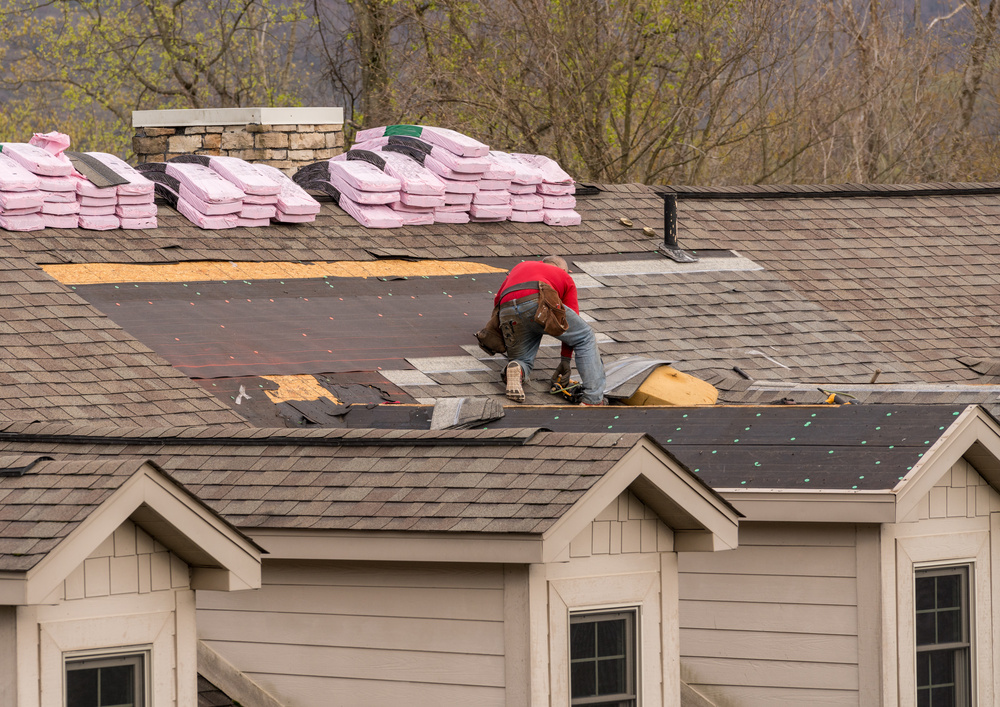
Summer heat places constant stress on exterior materials across Chicagoland and Metro Milwaukee. Long stretches of direct sun exposure can weaken roofing components, dry out siding materials, and affect gutter performance before severe weather arrives. Understanding how heat impacts a home’s exterior helps homeowners identify potential issues early and prepare for the storm season ahead.
Key Takeaways
- Prolonged summer heat can weaken roofing, siding, and gutter materials before storms arrive.
- Early signs of exterior wear often appear during hot weather across the Midwest.
- Seasonal inspections help identify vulnerabilities before heavy rain and wind events.
- Preventive maintenance reduces the risk of larger exterior problems during storm season.
How Midwest Heat Accelerates Exterior Wear Before Storms
Hot weather affects every part of a home’s exterior differently. Prolonged exposure to heat can accelerate wear on roofing, siding, and gutter systems before severe weather arrives. The following areas often show the earliest signs of heat-related stress before Midwest storm activity begins.
Shingle Expansion and Surface Wear
Extended exposure to high temperatures causes roofing materials to expand throughout the day and contract overnight. This repeated movement can accelerate wear, especially on aging systems that may already be approaching the need for a roof replacement. The result is a roofing surface that becomes more vulnerable when strong winds and heavy rain arrive.
Homeowners in Lake Forest and Mequon should look for visible granule loss, curling edges, or uneven roof surfaces before storm season begins.
Heat-Driven Damage Around Roof Flashing
Metal flashing absorbs significant heat during summer months and expands at a different rate than surrounding roofing materials. This movement can create small openings that allow water intrusion during severe weather, making regular roof inspection services valuable before storm season. Even minor flashing issues can become larger leak sources once storms develop.
A professional evaluation can help determine whether localized attention is needed before seasonal weather patterns intensify.
Siding Moisture and UV Exposure Effects
Continuous sunlight can gradually break down protective finishes and increase material stress on exterior walls. Areas receiving direct afternoon sun often show fading, warping, or cracking first, especially where siding repair concerns may already exist. Heat-related deterioration can reduce the exterior’s ability to withstand wind-driven rain.
Homeowners throughout Wilmette and Whitefish Bay should periodically inspect exposed elevations for visible changes in appearance or alignment.
Heat-Related Gutter Expansion and Separation
High temperatures can affect gutter fasteners and support systems over time. Expansion and contraction may create gaps between gutter sections or loosen attachment points. These changes can reduce drainage efficiency and increase the risk of water management problems that may eventually require gutter repair.
Small alignment issues are easier to identify and address before seasonal storms place additional stress on the system.
Preseason Inspection Priorities For Chicagoland And Milwaukee Homes
Storm preparation begins with understanding which exterior components are most affected by summer weather. A focused inspection can reveal developing issues before they lead to more extensive damage. The following areas deserve particular attention before severe weather arrives.
Evaluate Roof Ventilation Performance
Poor attic ventilation can trap excessive heat beneath roofing materials during the summer months. Elevated attic temperatures often accelerate material aging and contribute to premature deterioration, affecting long-term roof maintenance planning. Proper airflow helps reduce heat buildup and supports overall roofing performance.
Homeowners should monitor signs such as unusually warm upper floors or increased cooling demands during peak summer periods.
Examine Siding Connections and Trim Areas
Heat expansion can place stress on siding joints, trim components, and transition areas around windows and doors. Small gaps may allow moisture intrusion during storms, especially on homes where siding systems have experienced years of exposure to the elements. Early identification helps prevent more significant exterior deterioration.
Properties throughout Glenview and the Milwaukee suburbs often benefit from seasonal exterior evaluations before severe weather patterns develop.
Inspect Drainage Paths and Gutter Protection Systems
Leaves, debris, and seasonal buildup can reduce water flow capacity before heavy rainfall events occur. Homes equipped with gutter guards should still undergo visual inspections to confirm that drainage pathways remain clear and functional. Effective water management becomes especially important during intense summer thunderstorms.
Regular monitoring helps ensure water is directed safely away from roofing, siding, and foundation areas.
Review Aging Exterior Systems Before Storm Season
Older exterior materials often display subtle warning signs before major problems appear. A comprehensive assessment can identify areas affected by long-term weather exposure and determine whether a future siding replacement may be warranted. Recognizing these indicators early supports better budgeting and project scheduling.
Addressing concerns proactively often helps reduce the impact of future storm-related damage.
Preserve Your Roofing, Siding, and Gutters Through Midwest Weather
Summer heat can place added stress on roofing, siding, and gutter systems before severe weather arrives. Identifying early signs of wear helps homeowners make informed decisions that support long-term exterior performance.
Backed by more than 50 years of dedicated service and GAF Master Elite credentials, Custom Installations is known for quality craftsmanship and dependable exterior solutions. That commitment helps homeowners feel confident in the lasting protection of their investment.
Taking action before storm season can help reduce the risk of larger exterior problems and unexpected repairs. Request a free estimate or contact our team to schedule a consultation and evaluate the condition of your home’s exterior.
Frequently Asked Questions
How does summer heat affect roofing materials?
Heat causes roofing materials to expand during the day and contract at night. Over time, this repeated movement can contribute to granule loss, curling shingles, flashing movement, and other forms of wear that may become more noticeable during storm season.
Why should gutters be inspected before severe weather arrives?
Gutters manage large volumes of water during Midwest storms. Heat-related movement, loose fasteners, and debris accumulation can reduce performance and increase the risk of overflow, drainage issues, or water damage during heavy rainfall.
Can hot weather damage siding before storms occur?
Yes. Prolonged UV exposure and elevated temperatures can cause fading, cracking, warping, and material stress. These conditions may reduce siding performance and increase vulnerability to wind-driven rain and severe weather.
When should homeowners schedule an exterior inspection?
Many homeowners schedule inspections in late spring or early summer before peak storm activity begins. This timing allows potential concerns to be identified and addressed before heavy rain, strong winds, and severe weather conditions arrive.